
South Australian businesses ship wine, agricultural produce and processed food overseas. They also import mining equipment, defence components and industrial goods. A useful freight plan accounts for the cargo, available services and requirements at Port Adelaide or Adelaide Airport.
This guide explains freight forwarding in Adelaide. It covers the local ports and transport links, and what to look for when choosing a forwarder for imports or exports.
What does a freight forwarder in Adelaide do?
A freight forwarder helps South Australian businesses move cargo between Australia and overseas markets. The work can include booking sea or air freight, arranging pickup and delivery, coordinating customs clearance and managing shipping documents.
The scope typically covers:
- Booking with shipping lines or airlines based on cargo type, volume, and destination
- Origin coordination for exports leaving SA, or for imports arriving from overseas suppliers
- Documentation, including bills of lading, air waybills, certificates of origin, and export permits
- Customs and biosecurity clearance through Australian Border Force and DAFF
- Local delivery from Port Adelaide, Adelaide Airport, or interstate arrival points
- Shipment visibility and ongoing coordination throughout transit
A forwarder is the single point of accountability across all of it, which matters more in a smaller market like Adelaide where you may not have the volume to command direct attention from a shipping line.
What makes freight forwarding in Adelaide different from other Australian cities?
Adelaide’s cargo includes wine, farm produce, mining equipment and defence goods. Port and airport volumes are lower than on the east coast. This affects how often services run, which routes are available and how biosecurity checks fit into the plan.
Four factors that South Australian importers and exporters run into:
- Cargo profile weighted toward agriculture, wine, and mining equipment, which brings specific documentation, biosecurity, and export certification requirements
- Lower shipping frequency than Melbourne or Sydney, which makes cut-off timing tighter and rolled bookings more disruptive
- Transhipment through east coast ports for some destinations, which adds transit time compared to direct routing from Melbourne or Sydney
- Strong biosecurity scrutiny given SA’s horticultural and viticultural industries, which makes documentation accuracy at the export gate genuinely consequential
A forwarder with genuine Adelaide experience anticipates these factors. A forwarder treating Adelaide as an afterthought office finds them out reactively.
What ports and airports does Adelaide freight forwarding use?
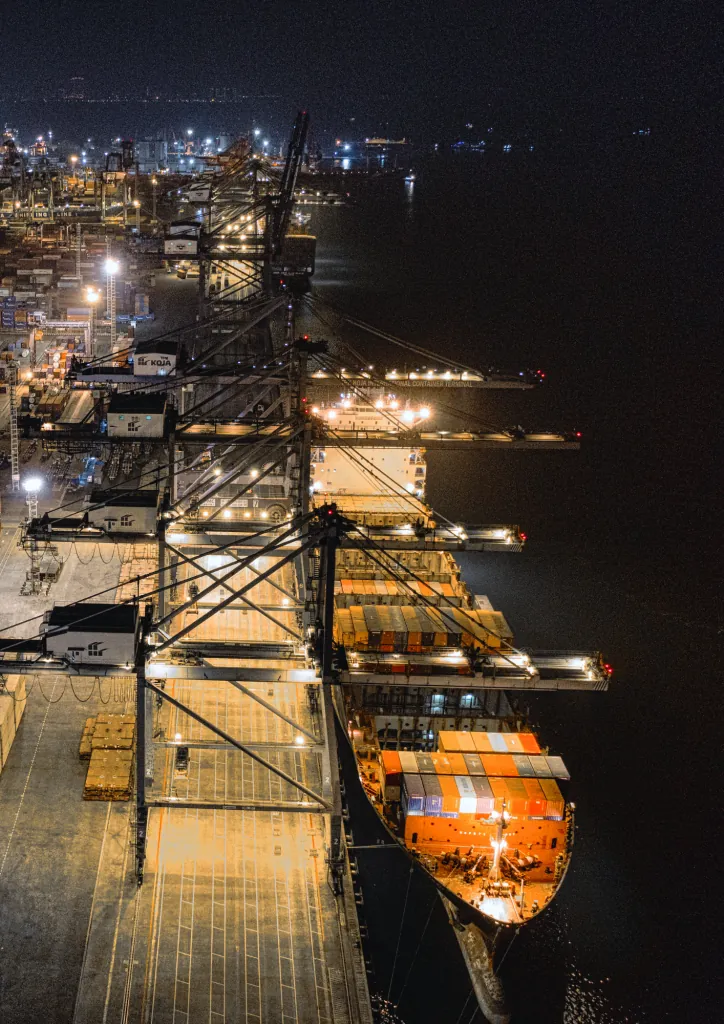
Sea freight mainly uses Port Adelaide’s Outer Harbor terminal. Air freight uses Adelaide Airport. Some cargo travels by road or rail to Melbourne or Sydney to connect with an overseas service.
Key gateways:
- Outer Harbor Container Terminal at Port Adelaide handles the majority of South Australia’s international container traffic
- Inner Harbor and bulk terminals handle bulk cargo including grain, minerals, and vehicles
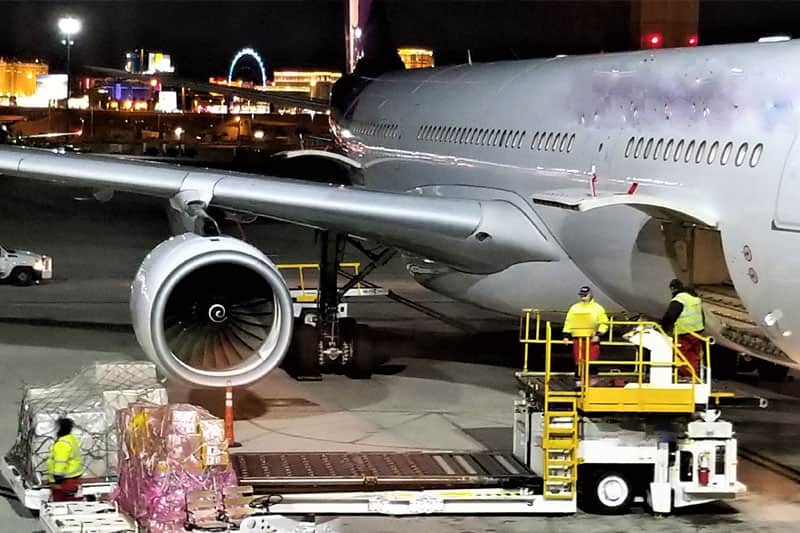
- Adelaide Airport handles international air freight, with some transhipment via Sydney or Melbourne for lower-volume destinations
- Interstate rail and road connects SA cargo to Melbourne, Sydney, and Perth for further international movement
A forwarder should be able to explain when direct routing through Adelaide makes sense and when transhipment through Melbourne is faster or cheaper for a specific lane.
What cargo does Adelaide freight forwarding handle most?
Adelaide freight forwarding handles a cargo profile weighted toward wine and beverage exports, agricultural produce, processed food, mining and industrial equipment imports, and defence and aerospace components.
Common examples:
- Wine and beverage exports to Asia, North America, the UK, and Europe, requiring Wine Australia documentation
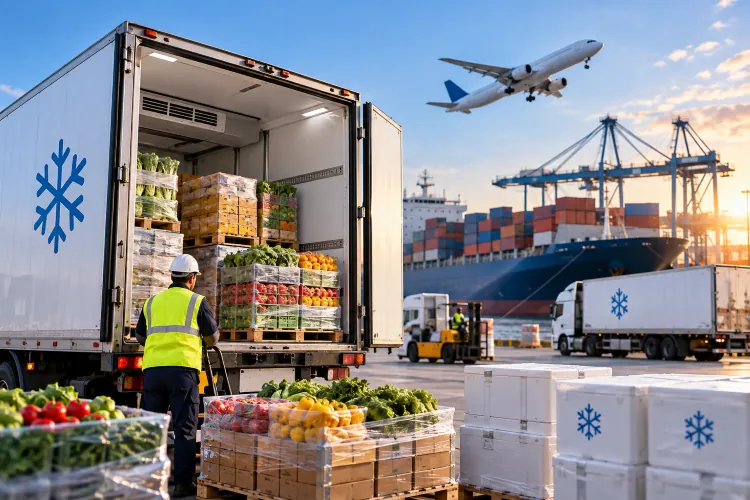
- Agricultural exports including grain, meat, dairy, and horticultural produce, requiring DAFF export certification
- Mining and industrial equipment imports for South Australian resources and manufacturing operations
- Defence and aerospace components connected to SA’s defence industry cluster
- Personal effects and vehicles for people relocating to or from South Australia
Each of these has its own compliance profile. A forwarder used to general freight but new to wine exports will slow you down while they learn the paperwork.
What should you look for in an Adelaide freight forwarder?
Look for a forwarder with genuine Adelaide operational experience, customs clearance through licensed brokerage partners, coverage of the cargo type you actually ship, transparent quoting on total landed cost, and clear visibility across the shipment.
Seven practical checks:
- Genuine Adelaide experience, not a national forwarder with a shared services desk in another city
- Clear coordination with licensed customs brokers, with responsibilities and handovers agreed in advance
- Familiarity with your cargo type, particularly for wine, agriculture, dangerous goods, or defence
- Quotes on total landed cost, not headline freight rates
- Real-time shipment visibility you can actually see, not just email updates
- Empty container return handling at the local depot to avoid detention
- Interstate coordination if your cargo transhipments through Melbourne or Sydney
The buyer’s guide framework applies whether you’re in Adelaide, Melbourne, or Perth. For a fuller decision framework, see our companion post on how to choose an international freight partner in Melbourne.
How does customs clearance work for Adelaide freight?
Customs clearance for Adelaide freight is handled electronically through the Australian Border Force’s Integrated Cargo System, with declarations lodged by licensed customs brokers before or shortly after cargo arrival at Port Adelaide or Adelaide Airport.
Because SA’s cargo profile includes wine, agriculture, and food, biosecurity clearance through the Department of Agriculture, Fisheries and Forestry runs alongside customs. Both need to release the shipment before it moves. For the full picture on how clearance works in SA, our specialist guide on customs clearance in Adelaide covers documentation, biosecurity, and common delay causes.
How does Sealogic support freight forwarding in Adelaide?
Sealogic provides freight forwarding for South Australian importers and exporters, coordinating sea freight, air freight, customs clearance, and local transport through Port Adelaide and Adelaide Airport, with customs clearance through licensed brokerage partners. Adelaide freight connects to our broader sea freight services across Australia, our international air freight from Australia capability, and our port transport network across major Australian ports, so cargo cleared or booked in Adelaide can move interstate under the same account.
FAQs
What does a freight forwarder do in Adelaide?
A freight forwarder in Adelaide coordinates the end-to-end movement of international cargo for South Australian importers and exporters, including booking sea or air freight, arranging pickup and delivery, managing customs clearance, and handling shipping documentation.
Do I need a freight forwarder to import into Adelaide?
You are not legally required to use a freight forwarder, but most Adelaide importers use one to manage the coordination between shipping lines, customs brokers, transport providers, and biosecurity, which is difficult to run in-house for occasional shipments.
Which Adelaide port handles international sea freight?
Port Adelaide’s Outer Harbor terminal handles the majority of South Australia’s international container sea freight, while the Inner Harbor and bulk terminals handle bulk cargo including grain, minerals, and vehicles.
Can a freight forwarder in Adelaide handle wine and agricultural exports?
Yes. Freight forwarders in Adelaide with SA-specific experience regularly handle wine and agricultural exports, including coordination with Wine Australia, DAFF export certification, and destination-specific compliance requirements.
How much does freight forwarding in Adelaide cost?
Freight forwarding in Adelaide is priced on cargo volume, weight, mode, origin and destination, applicable surcharges, and customs and delivery charges, with sea freight typically quoted per container or cubic metre and air freight quoted on chargeable weight.
Does Sealogic operate in Adelaide?
Yes. Sealogic provides freight forwarding services for South Australian importers and exporters, coordinating sea and air freight through Port Adelaide and Adelaide Airport, with customs clearance through licensed brokerage partners.
Can freight forwarders coordinate cargo between Adelaide and other Australian cities?
Yes. Freight forwarders coordinate cargo between Adelaide and Melbourne, Sydney, Brisbane, and Perth using interstate road and rail links, which is common for cargo transhipping through east coast ports for specific international destinations.
Conclusion
Freight forwarding in Adelaide rewards local knowledge. The cargo profile, the port and airport rhythm, and the biosecurity scrutiny all differ from what forwarders in Melbourne or Sydney handle day to day. Look for experience with your cargo and route, clear responsibilities and reliable communication between the forwarder, licensed broker and transport providers. To discuss a specific shipment or an ongoing forwarding arrangement in Adelaide, contact the Sealogic team.