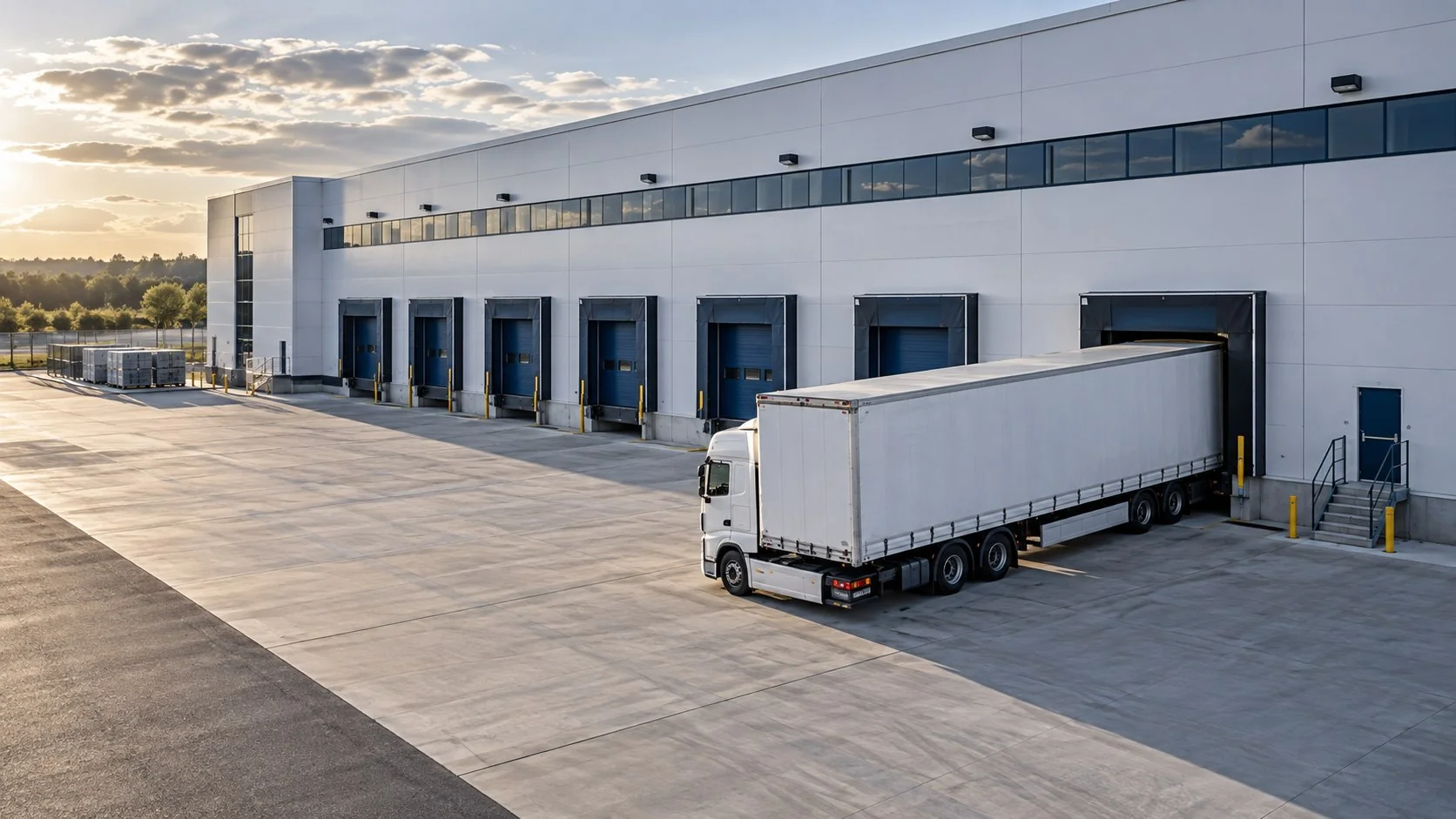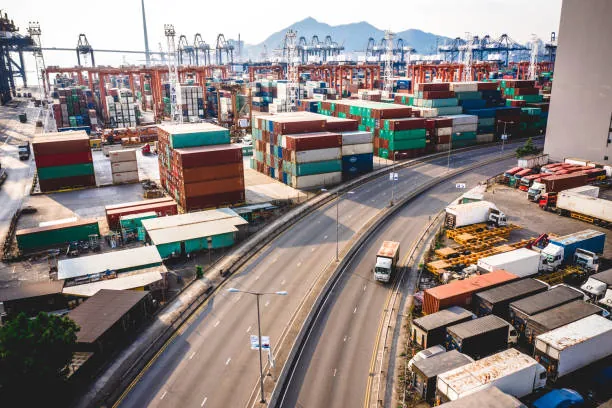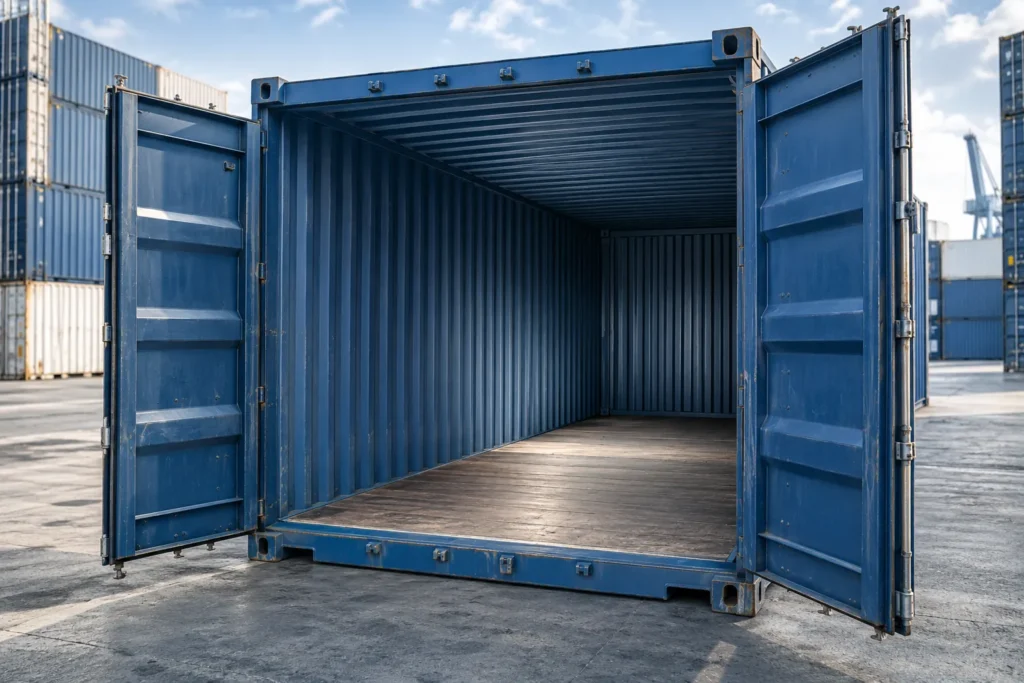

Wharf Cartage and Container Transport Managed by Experienced Freight Forwarders
Sealogic provides port transport and wharf cartage services for Australian importers and exporters, managing the critical link between port terminals and your warehouse, distribution centre, or business premises. From container collection at the wharf through to door delivery and empty container return, our team coordinates the full landside leg of your shipment.
Our freight forwarding team manages VBS slot bookings, customs release coordination, and container transport logistics to keep your cargo moving efficiently and reduce the risk of demurrage and detention charges at Australian ports.
When an international shipment arrives at an Australian port, the customs clearance and sea freight journey are just part of the picture. The final and often most operationally complex stage is the landside leg moving your container from the port terminal to its destination, within the available free time window, and in compliance with all port and carrier requirements.
This is wharf cartage, and it is one of the most time-sensitive components of the entire supply chain. Missed VBS slots, delayed customs release, and container dehire deadlines all carry real financial consequences in the form of demurrage and detention charges. Getting this stage right requires experience, port familiarity, and close coordination between the freight forwarder, customs team, and transport provider.
Sealogic manages port transport as part of a complete freight forwarding service, coordinating customs clearance, container collection, and door delivery in a single, managed workflow. For businesses that have experienced the cost and frustration of poorly managed port transport, our integrated approach provides a meaningful operational improvement.
We coordinate the full range of port transport and wharf cartage services for importers and exporters operating through Australian ports.
Wharf Cartage Port to Door Delivery We manage the collection of your container from the port terminal following customs release and coordinate road transport to your nominated delivery address. Our team books VBS slots, monitors container availability, and schedules delivery to align with your warehouse or site receiving hours reducing the risk of costly delays. |
Container Haulage We coordinate the physical movement of 20-foot and 40-foot shipping containers by road between ports, warehouses, distribution centres, and depots. This includes standard dry containers, refrigerated containers, open-top containers, and flat-rack configurations for over-dimensional cargo. |
Export Container Delivery to Port For export shipments, we arrange collection of your packed container from your premises and transport to the port terminal before the shipping line’s cut-off deadline. We manage the VGM (Verified Gross Mass) requirement under SOLAS regulations and coordinate all port documentation for smooth terminal acceptance. |
Empty Container Collection and Return We coordinate the collection of empty containers from shipping line depots for packing at your premises, and the subsequent return of empty containers to nominated dehire locations following unpack. Timely empty returns are essential for avoiding container detention charges. |
Refrigerated Container Transport Temperature-sensitive cargo in reefer containers requires careful handling throughout the landside leg. We coordinate refrigerated container collection, transport with appropriate monitoring, and timely delivery to maintain the cold chain between port and destination. |
Intermodal Transport Solutions For cargo moving beyond the immediate port region, we coordinate intermodal solutions combining road and rail transport to reach interstate destinations cost-effectively. This is particularly suited to high-volume cargo moving regularly between Melbourne, Sydney, Brisbane, and Perth. |
Dangerous Goods Container Transport Containers carrying IMSBC or IMDG-classified dangerous goods require specialist handling, approved equipment, and correct placarding throughout transport. Our team coordinates compliant dangerous goods container transport in accordance with Australian heavy vehicle and port authority requirements. |
Demurrage and detention are two of the most avoidable but frequently encountered costs in port transport. Understanding the difference and having a provider who actively manages both can significantly reduce your landside logistics costs.
Demurrage Charged by the shipping line when an import container remains at the port terminal beyond the free time period (typically 3 to 5 days). Charges accumulate daily and can escalate quickly during periods of port congestion or delayed customs release. | Detention Charged when an empty container is not returned to the shipping line’s nominated depot within the allowed free time after unpacking. Charges apply per container per day until the empty is returned. |
How Sealogic Reduces Risk We coordinate customs clearance and container collection as tightly as possible, monitor free time periods, book VBS slots promptly, and schedule delivery and empty returns to minimise exposure to both demurrage and detention charges. | Early Communication When port congestion, delayed vessel arrivals, or customs holds create unavoidable delays, we communicate early and work with shipping lines to request extensions, reducing the financial impact for your business. |
Sealogic coordinates port transport and wharf cartage through all major Australian container terminals. Each port has its own terminal operating procedures, VBS systems, and free time policies our team is familiar with the requirements at each.
Port of Melbourne Australia’s largest container port, operating through VICT and DP World Melbourne terminals at Swanson Dock. The Port of Melbourne handles approximately 36% of Australia’s container trade. VBS bookings operate through the TBS (Truck Booking System) portal. | Port Botany, Sydney Sydney’s primary container terminal, operated by Patrick and DP World at Port Botany in Botany Bay. Australia’s second-busiest container port. VBS slot bookings are managed through the Containerchain platform. |
Port of Brisbane Queensland’s main container gateway, operated by Patrick and Hutchison Ports at the Fisherman Islands terminal. A growing hub for north-eastern Australian importers and exporters with direct services to Asia-Pacific routes. | Fremantle Port, Perth Western Australia’s primary container terminal, operated by DP World Fremantle. Strategically positioned for fast landside connections to WA mining, resources, and agricultural export operations. |
Port Adelaide South Australia’s main container gateway, servicing South Australian importers and exporters with connections to interstate rail and road networks for onwards distribution. | Other Ports Sealogic can coordinate port transport at regional Australian ports including Darwin, Townsville, and Gladstone through our partner transport network, for cargo moving outside the five major container gateways. |
We manage port transport as part of a coordinated workflow alongside customs clearance, minimising the gaps and handoffs that cause delays.
Container Arrival Notification
When your vessel arrives and containers are discharged at the terminal, we receive an arrival notice from the shipping line and begin monitoring the container status in the port system.
Customs Clearance Coordination
Our customs brokerage team prepares and lodges the import declaration with Australian Border Force, obtaining customs release as quickly as possible to preserve free time within the terminal.
VBS Slot Booking
Once customs clearance is confirmed and the container is available for collection, our team books a Vehicle Booking System slot at the relevant port terminal for container pickup.
Container Collection
Our transport partners collect the container from the port terminal within the booked VBS slot, completing the required terminal checks and documentation at the gate.
Delivery to Your Premises
The container is transported directly to your warehouse, distribution centre, or nominated delivery address. We coordinate scheduling to align with your site’s receiving hours and unloading capacity.
Empty Container Return
Following unpack, we arrange timely collection of the empty container and return it to the shipping line’s nominated dehire depot within the free time window, avoiding detention charges.
Integrated Freight and Transport Because Sealogic manages customs clearance and freight forwarding alongside port transport, the handoff between customs release and container collection is tightly coordinated reducing delays that occur when these are managed by separate providers. | VBS Slot Management We manage Vehicle Booking System bookings at Australian container terminals, monitoring availability and rescheduling as required to keep your container transport on track. |
Demurrage and Detention Focus We actively monitor free time periods and coordinate collection and empty return schedules to minimise your exposure to demurrage and detention charges. | Australian Port Familiarity Our team is familiar with the operating procedures, VBS systems, and documentation requirements across Australia’s major container terminals. |
All Container Types We coordinate transport for standard dry containers, refrigerated containers, open-top and flat-rack configurations, and dangerous goods containers. | Clear Communication We keep you updated on container status, customs release, VBS bookings, and delivery scheduling giving you visibility of the landside leg without having to chase updates across multiple providers. |
Need port transport or wharf cartage? Speak with our team today.
Wharf cartage is the road transport of shipping containers between port terminals and inland destinations such as warehouses, distribution centres, or business premises. When an import container is discharged from a vessel at an Australian port, it must physically travel from the terminal to its final destination. That road transport leg is wharf cartage. For exports, it works in reverse your packed container is collected from your premises and delivered to the port terminal before the shipping line's vessel cut-off deadline. Sealogic coordinates wharf cartage as part of an integrated freight forwarding and customs clearance service.
Demurrage is a charge applied by the shipping line when an import container remains at the port terminal beyond the free time period, which is typically 3 to 5 days after the vessel discharges. Charges accumulate daily. The most effective way to avoid demurrage is to ensure customs clearance is lodged and approved quickly, and that a VBS slot is booked for container collection as soon as the container becomes available. Sealogic coordinates customs clearance and VBS bookings as part of our port transport service, minimising free time exposure wherever possible.
Demurrage is charged when a container stays at the port terminal beyond the free time period. Detention is charged when the empty container is not returned to the shipping line's nominated depot within the free time period after unpacking. Both charges are applied by the shipping line and accumulate daily. Sealogic monitors both free time windows and coordinates empty returns to reduce exposure to both types of charges.
A VBS (Vehicle Booking System) slot is a timed booking that allows a truck to enter an Australian port terminal to collect or deliver a container. All major Australian container terminals require VBS bookings for truck access. Without a valid VBS slot, your transport provider cannot enter the terminal. Slots can be difficult to secure during periods of high demand or port congestion, which is why proactive VBS management is an important part of port transport. Our team monitors availability and books slots as early as possible following customs release.
We coordinate port transport and wharf cartage through the Port of Melbourne, Port Botany in Sydney, the Port of Brisbane, Fremantle Port in Perth, and Port Adelaide. We can also arrange transport through regional ports including Darwin and Townsville via our partner transport network.
Yes. For imports, we manage container collection from the port terminal following customs release and deliver to your nominated address. For exports, we arrange collection of your packed container from your premises and transport to the port terminal before the shipping line's cut-off deadline, including VGM weight certification as required under SOLAS.
Yes. We coordinate refrigerated container (reefer) transport for temperature-sensitive goods, managing collection from port, monitoring cold chain requirements during transport, and delivery to your premises. Timely collection is particularly important for reefer containers, as extended time at the terminal can affect cargo quality.
Yes. We coordinate compliant dangerous goods container transport for IMSBC and IMDG-classified cargo, using appropriately equipped transport partners and ensuring correct placarding, documentation, and routing in accordance with Australian heavy vehicle regulations and port authority requirements.
Port transport can be arranged as part of a complete freight forwarding and customs clearance service or as a standalone service for businesses that manage other parts of their supply chain independently. Combining port transport with our freight forwarding and customs services provides the tightest coordination and the lowest risk of costly delays.
Pick up your phone and give us a call on 03 9114 8543!