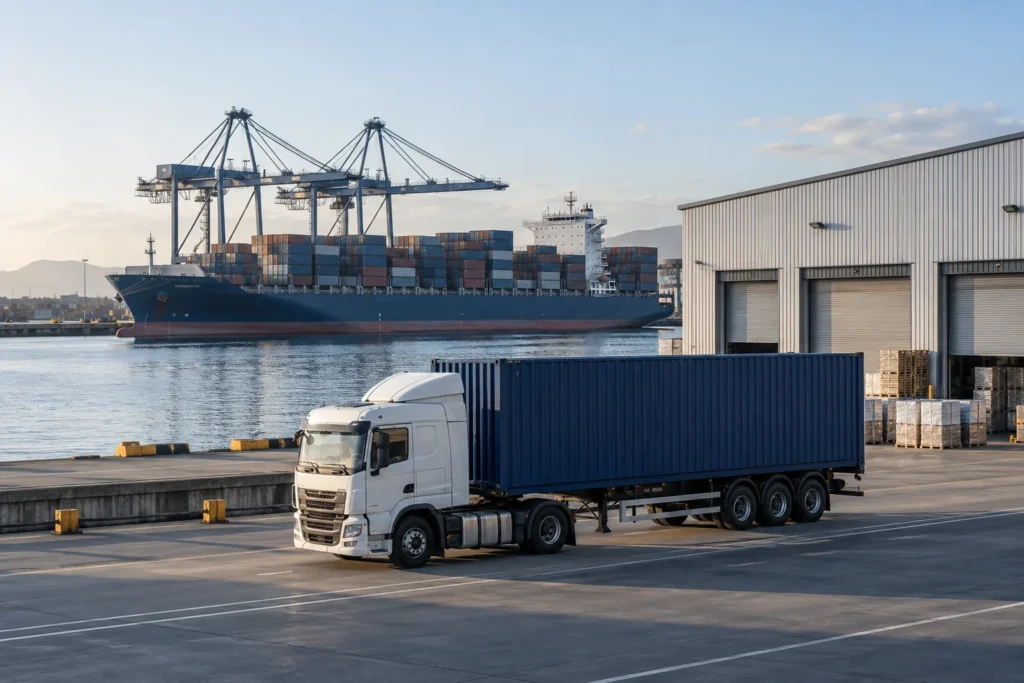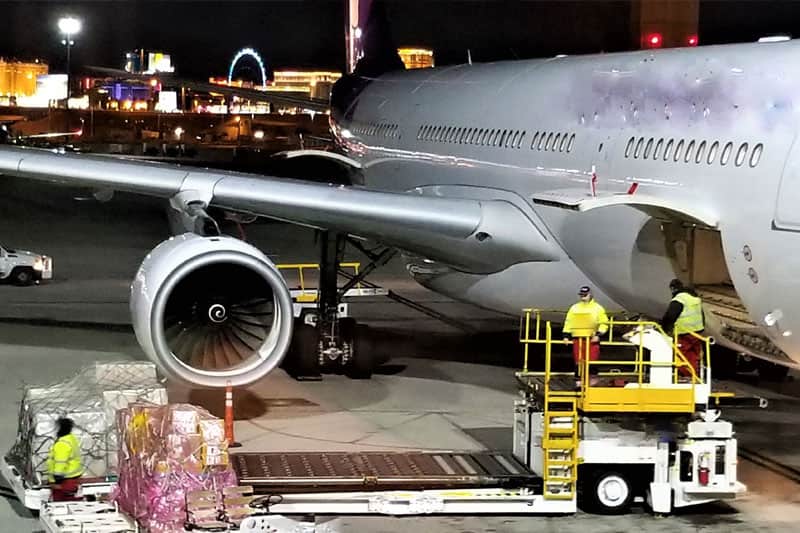

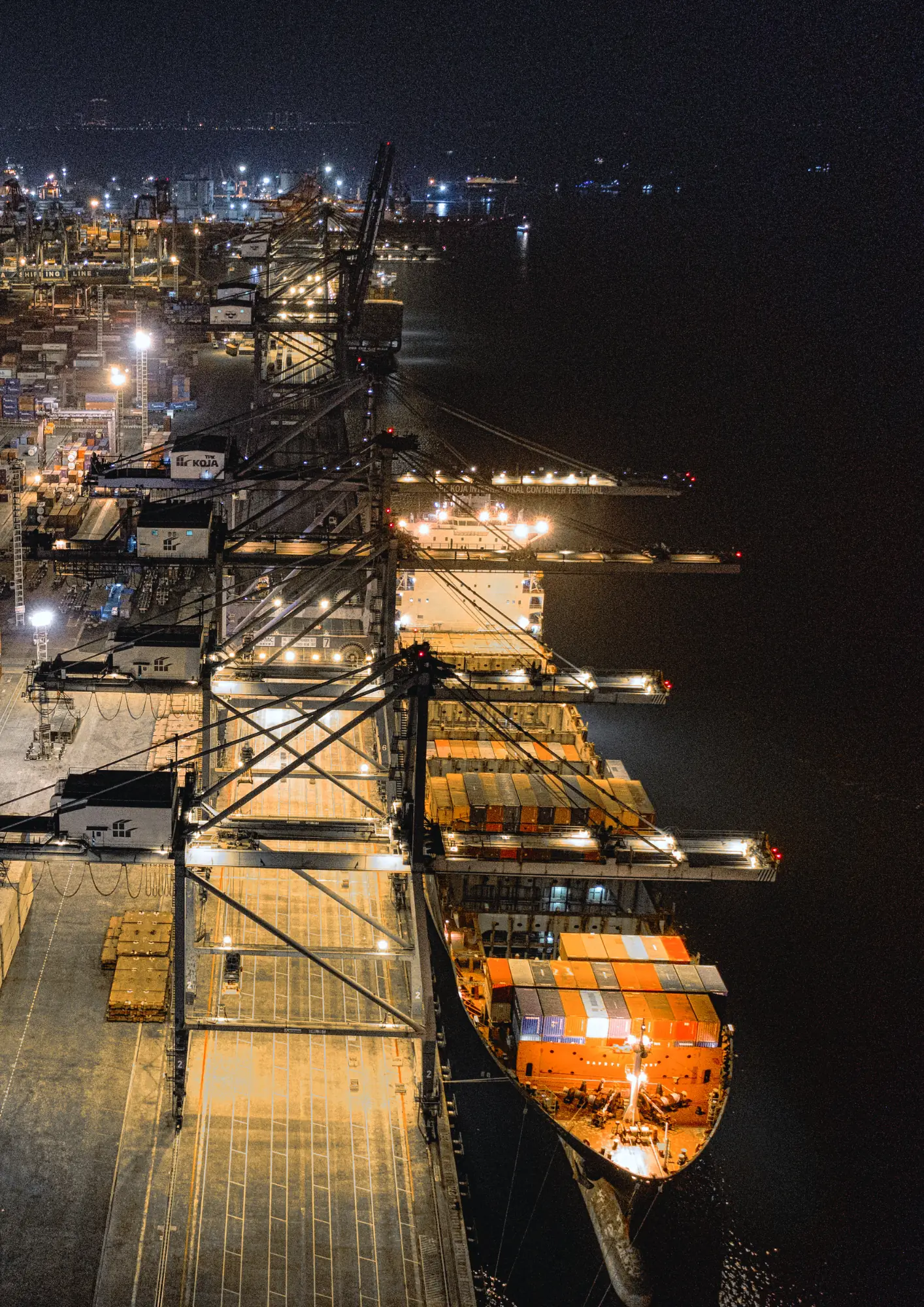
Port Botany, Sydney Airport and the NSW distribution network connect businesses with overseas markets. For importers and exporters, the freight plan affects delivery commitments, stock availability and costs. Clear coordination helps connect each stage, from collection and customs clearance to final delivery.
This guide explains freight forwarding in Sydney. It covers the local ports and transport links, and what NSW importers and exporters should look for when choosing a forwarder.
What does a freight forwarder in Sydney do?
A freight forwarder helps NSW businesses move cargo between Australia and overseas markets. The work can include booking sea or air freight, arranging pickup and delivery, coordinating customs clearance and managing shipping documents.
The scope typically covers:
- Booking with shipping lines or airlines based on cargo type, volume, and destination
- Origin coordination for exports leaving NSW, or for imports arriving from overseas suppliers
- Documentation, including bills of lading, air waybills, certificates of origin, and export permits
- Customs and biosecurity clearance through Australian Border Force and DAFF
- Local delivery from Port Botany, Sydney Airport, or NSW regional destinations
- Shipment visibility and ongoing coordination throughout transit
Sydney’s role as the primary east coast international gateway means the forwarder’s ability to coordinate high-volume, high-frequency shipments through congested port and airport infrastructure is often the deciding factor in shipment reliability.
What makes freight forwarding in Sydney different from other Australian cities?
Sydney’s freight plan has to account for busy port terminals, airport cargo facilities and the NSW road network. The cargo mix is broad: consumer goods, electronics, food, medicines and industrial products can all need different handling.
Four factors that NSW importers and exporters run into:
- Port Botany volume and congestion: highest container throughput on the east coast means tighter cut-off times, more competition for road transport slots, and more common terminal congestion during peak periods
- Sydney Airport as the primary air cargo gateway: Australia’s busiest for international air freight, which means high frequency service to major global destinations but also tighter cargo acceptance timing
- Diverse cargo profile: Sydney handles everything from FMCG for retailers to high-value electronics, pharmaceuticals, and industrial equipment, so forwarders need broad category expertise
- NSW distribution density: high-frequency road transport across Greater Sydney, Central Coast, Hunter Valley, Illawarra, and interstate to Melbourne, Brisbane, and Canberra
A forwarder with genuine Sydney experience anticipates these operational realities. One treating Sydney as another city on a national services list learns them reactively.
What ports and airports does Sydney freight forwarding use?
Port Botany handles international container freight. Sydney Kingsford Smith Airport handles international air freight. The Port of Newcastle is another NSW gateway, including for bulk cargo such as coal and grain, and some industrial shipments.
Key gateways:
- Port Botany, operated by Sydney’s three container terminals (Patrick, DP World, and Hutchison), handling the majority of NSW international container sea freight
- Sydney Kingsford Smith Airport (SYD), Australia’s busiest international air cargo gateway, with high-frequency service to Asian, European, Middle Eastern, and North American hubs
- Port of Newcastle, handling bulk cargo including coal exports, grain, and specialised bulk shipments
- Port Kembla at Wollongong, handling additional bulk and vehicle imports
Container operations at Port Botany use three separate terminals, each with its own cut-off times, road transport arrangements, and empty container depot networks. A Sydney-based forwarder should be able to explain how these terminals differ and which one your shipping line uses.
What cargo does Sydney freight forwarding handle most?
Sydney freight forwarding handles the most diverse cargo profile of any Australian city, spanning FMCG and retail imports, electronics and consumer technology, food and beverages, pharmaceuticals, industrial equipment, high-value goods, and interstate distribution cargo for national retailers headquartered in Sydney.
Common examples:
- Retail and FMCG for national and NSW retailers, distribution centres, and supermarkets
- Consumer electronics and technology given Sydney’s role as head office location for major tech importers
- Pharmaceuticals and healthcare products for hospitals and distribution networks
- Food and beverage imports including refrigerated and dry goods
- High-value cargo including jewellery, art, and premium consumer goods
- Industrial and construction equipment for NSW infrastructure projects
- E-commerce fulfilment cargo for national distribution from Sydney warehouses
Each of these has its own compliance profile. A forwarder used to bulk industrial shipments but new to pharmaceutical cold chain or high-value security handling will slow you down while they learn the specifics.
What should you look for in a Sydney freight forwarder?
Look for a forwarder with genuine Sydney operational experience, customs clearance through licensed brokerage partners, capability across your specific cargo type, transparent quoting on total landed cost, and proactive coordination around Port Botany congestion and cut-off pressure.
Seven practical checks:
- Genuine Sydney presence, not just a national forwarder with a shared services desk in another city
- Clear coordination with licensed customs brokers, with responsibilities and handovers agreed in advance
- Familiarity with your cargo type, particularly for pharmaceuticals, high-value goods, cold chain, or hazardous materials
- Quotes on total landed cost, not headline freight rates
- Real-time shipment visibility you can actually see, not just email updates
- Port Botany terminal knowledge including cut-off times, road transport windows, and empty container return coordination
- Interstate coordination for cargo distributing beyond NSW into Victoria, Queensland, or the ACT
For the wider decision framework, see our companion post on how to choose an international freight partner in Melbourne — the criteria apply equally in Sydney, just against a different local operational backdrop.
How does customs clearance work for Sydney freight?
Customs clearance for Sydney freight is handled electronically through the Australian Border Force’s Integrated Cargo System, with declarations lodged by licensed customs brokers before or shortly after cargo arrival at Port Botany or Sydney Airport.
Sydney handles the highest volume of ABF processing in Australia, which means:
- Efficient electronic clearance for correctly documented shipments
- Faster query response times during business hours
- Higher likelihood of examination for cargo profiles flagged in ABF risk systems
- Significant biosecurity attention on food, timber packaging, and biological materials
Because customs delays are the single most common cause of container dwell time at Port Botany, our guide on how customs brokerage works in Australia covers what a broker does to keep clearance clean.
How Sealogic supports freight forwarding in Sydney
Sealogic provides freight forwarding for NSW importers and exporters, coordinating Sydney sea freight services through Port Botany along with air freight through Sydney Kingsford Smith Airport, and customs clearance through licensed brokerage partners. Sydney freight connects to our broader sea freight services across Australia and port transport network across major Australian ports, so cargo cleared or booked in Sydney can move interstate under the same account.
FAQs
What does a freight forwarder do in Sydney?
A freight forwarder in Sydney coordinates the end-to-end movement of international cargo for NSW importers and exporters, including booking sea or air freight, arranging pickup and delivery, managing customs clearance, and handling shipping documentation.
Do I need a freight forwarder to import into Sydney?
You are not legally required to use a freight forwarder, but most Sydney importers use one to manage the coordination between shipping lines, customs brokers, transport providers, and biosecurity, which is difficult to run in-house for occasional shipments.
Which Sydney port handles international sea freight?
Port Botany handles the majority of NSW international container sea freight through three separate container terminals operated by Patrick, DP World, and Hutchison. Port of Newcastle handles bulk cargo including coal, grain, and specialised bulk shipments.
Can a freight forwarder in Sydney handle high-value and pharmaceutical cargo?
Yes. Freight forwarders in Sydney with experience in specialised cargo regularly handle pharmaceuticals, high-value electronics, cold chain shipments, and secure handling for premium consumer goods.
How much does freight forwarding in Sydney cost?
Freight forwarding in Sydney is priced on cargo volume, weight, mode, origin and destination, applicable surcharges, and customs and delivery charges, with sea freight typically quoted per container or cubic metre and air freight quoted on chargeable weight.
Does Sealogic operate in Sydney?
Yes. Sealogic provides freight forwarding services for NSW importers and exporters, coordinating sea and air freight through Port Botany and Sydney Kingsford Smith Airport with customs clearance through licensed brokerage partners.
Can freight forwarders coordinate cargo between Sydney and other Australian cities?
Yes. Freight forwarders coordinate cargo between Sydney and Melbourne, Brisbane, Adelaide, Perth, and Canberra using interstate road and rail links, which is common for cargo distributing nationally from Sydney warehouses.
Conclusion
Freight forwarding in Sydney rewards operational discipline. Port Botany’s high throughput, Sydney Airport’s cargo volume, and the density of the NSW distribution network all reward forwarders who manage cut-off pressure proactively rather than reactively. Look for experience with your cargo and route, clear responsibilities and reliable communication between the forwarder, licensed broker and transport providers. To discuss a specific shipment or an ongoing forwarding arrangement in Sydney, contact the Sealogic team.