

sea freight
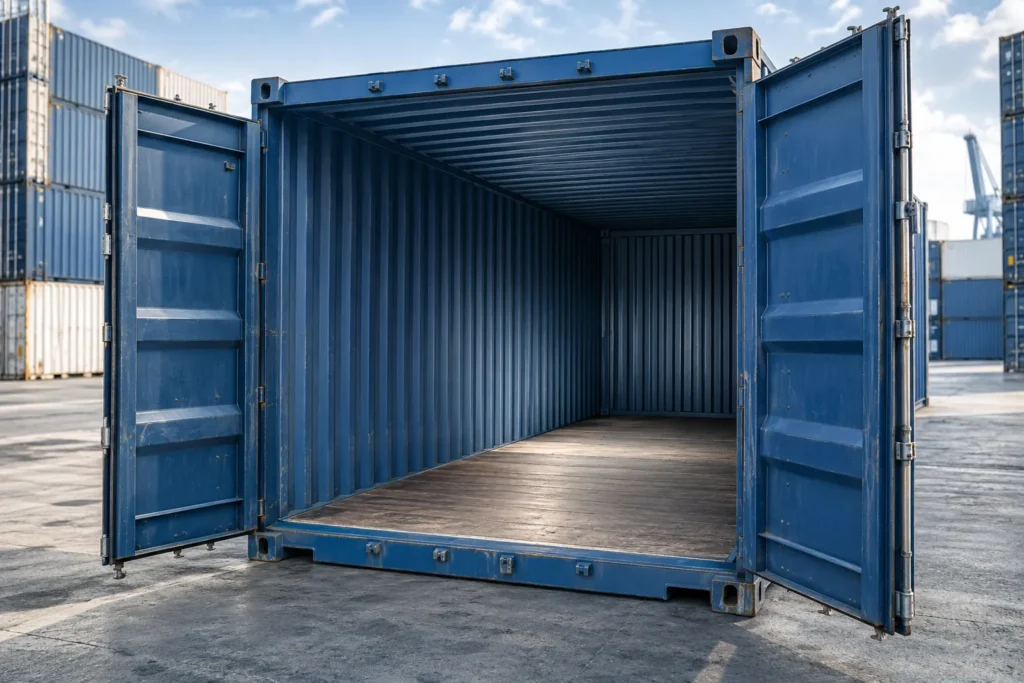
Empty containers: why equipment availability matters to your shipment
A vessel booking and an available container are different parts of the plan. Here is what Australian importers and exporters should check.
Read article ↗Insights
Practical answers for your next shipment. Bigger-picture thinking for the decisions beyond it.
52 articles
A vessel booking and an available container are different parts of the plan. Here is what Australian importers and exporters should check.
Read article ↗
From a small team in 2018 to our first 100,000 TEUs in 2025. A shared achievement, reached one shipment and one relationship at a time.
Read article ↗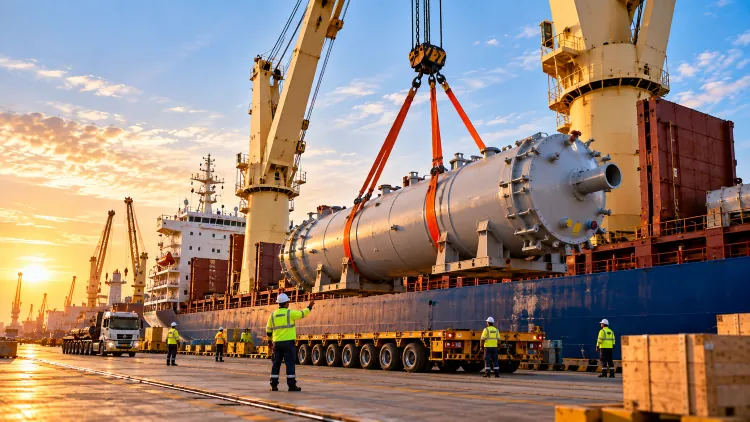
Standard shipping containers work for most cargo. But some things just do not fit. Heavy machinery, structural steel, wind turbine blades, large vehicles, generators, prefabricated modules and industrial…
Read article ↗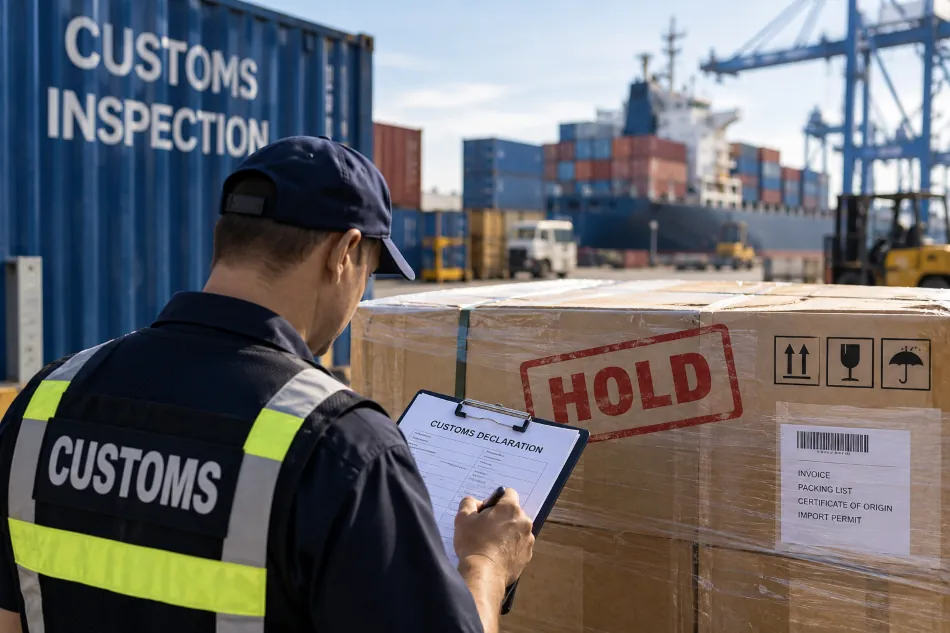
Your tracking status changes to ‘held for examination’ and everything stops. A customs hold means your goods are stuck at the port or airport, unable to be released…
Read article ↗
Every commercial shipment entering Australia must pass through customs clearance before it can be released. No exceptions. Customs clearance is where your goods are formally declared to the…
Read article ↗
Air freight is fast. That much is obvious. What is less obvious is when the speed actually justifies the cost. For most Australian importers, sea freight handles the…
Read article ↗
Your supplier or Australian loading team confirmed the container was loaded. The vessel departed on schedule. And then the ETA shifted. Twice. If that sounds familiar, you are…
Read article ↗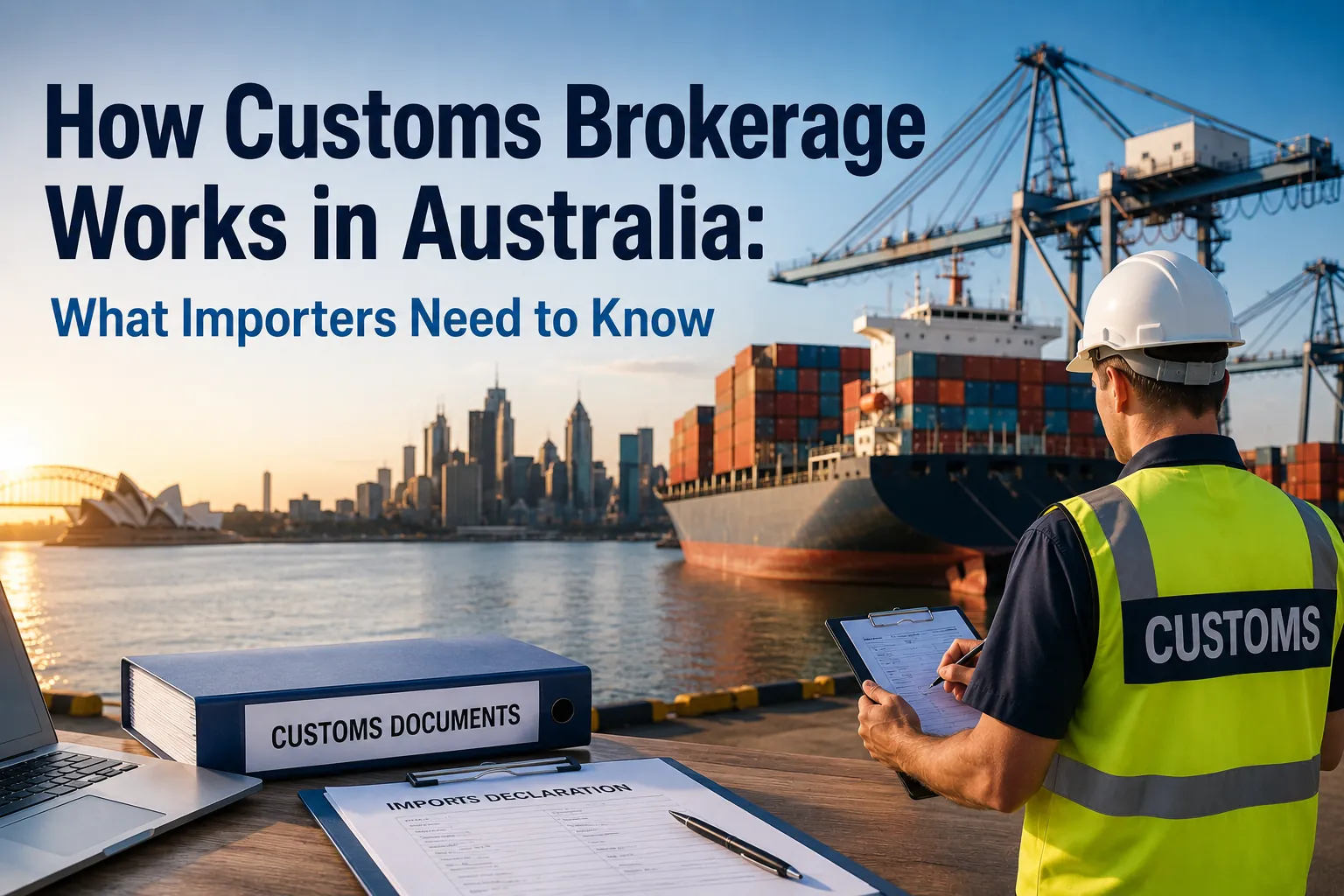
Every commercial shipment that arrives in Australia needs to clear customs before it can be released. That means someone has to declare what the goods are, where they…
Read article ↗
One of the first questions Australian importers and exporters face is simple enough: do you need a whole container, or can you share one? The answer depends on…
Read article ↗
If you are importing goods into Australia for the first time, the sea freight process can feel overwhelming. Between shipping terms you have never heard before, stacks of…
Read article ↗From Sea Logic on LinkedIn
Freight decisions reach beyond transport costs. Sea Logic explores how scenario planning, clear escalation and recovery options help teams manage uncertainty across the supply chain.
A delivery date tells only part of the story. This perspective considers the cost of achieving it, the consistency of the service and the value of clearer communication when plans change.
A vessel booking and an available container are different things. Sea Logic looks at how uneven trade flows and equipment repositioning influence the practical movement of freight.