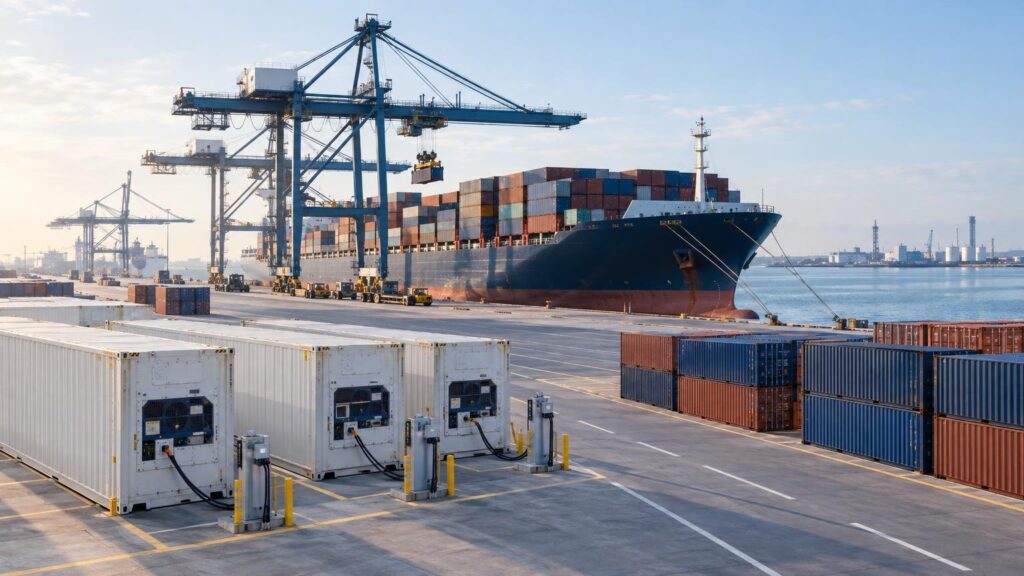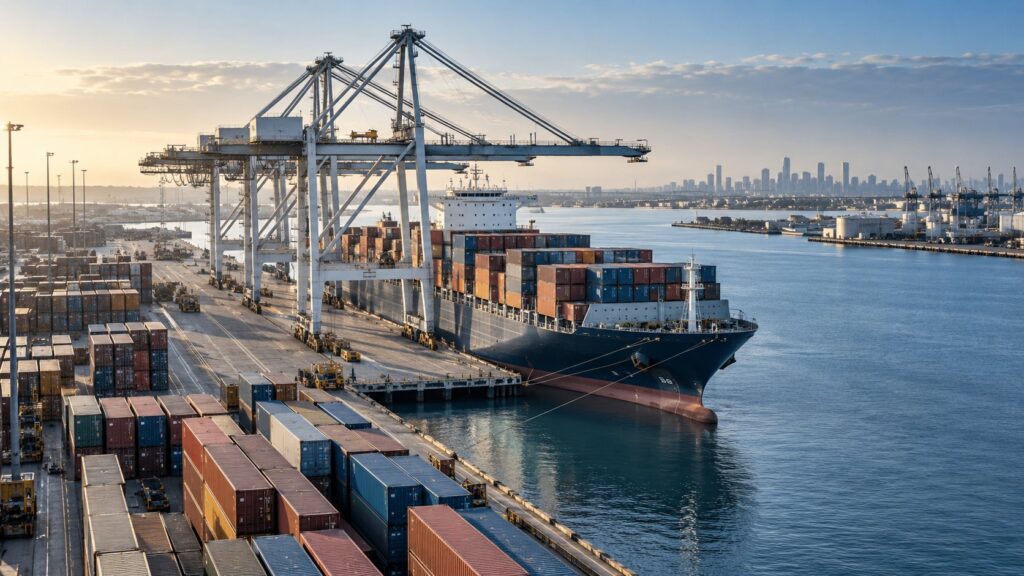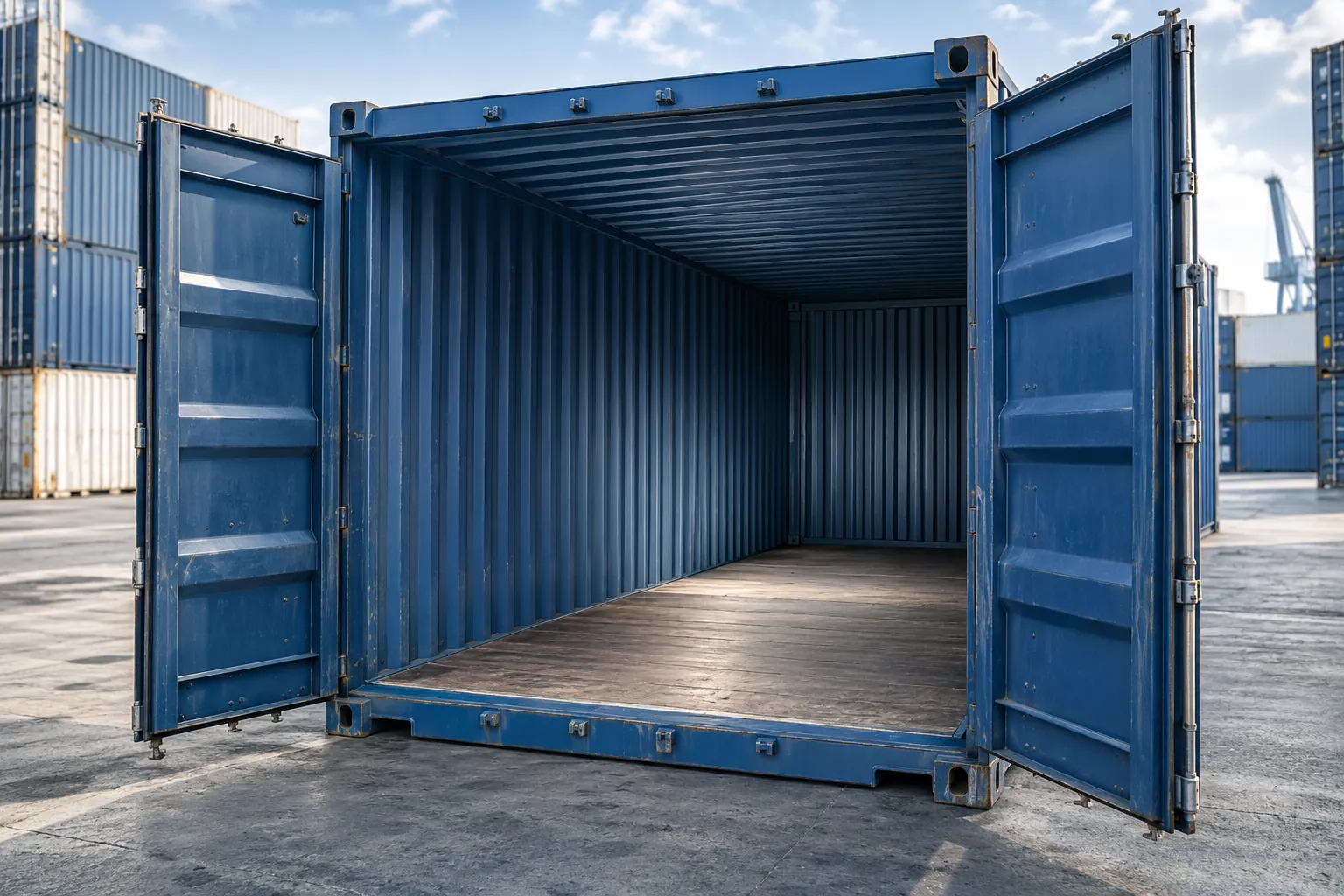
A container can be empty and still be essential to the next shipment. Export cargo needs suitable equipment in the right location, with enough time for collection, packing and delivery to the terminal.
For Australian businesses, the practical lesson is simple: confirm the container plan alongside the freight booking. Space on a vessel does not, by itself, answer every question about equipment collection or return.
Why do empty containers move?
Imports and exports do not always balance by location, timing or container type. A box that arrives full may not have a suitable export load waiting nearby. Shipping lines reposition equipment between depots, ports and trade lanes so it can be used again.
That creates a second planning task alongside the movement of goods: getting the right empty container to the next shipper. Dry containers, refrigerated equipment and specialist units are not interchangeable. See our container types and sizes guide for a starting point.
Before an export container is collected
Ask your freight forwarder or nominated provider to confirm:
- Equipment specification: the container type and suitability for your cargo, including any special handling requirements.
- Release instructions: the collection reference, nominated depot and when equipment can be collected.
- Packing arrangements: who packs the container, where it happens and whether the cargo and loading resources will be ready.
- Booking deadlines: the applicable terminal receival window and documentation deadlines, as well as the vessel schedule.
- A change procedure: who to contact if the nominated equipment or collection time is no longer available.
A change to the cargo-ready date can affect more than the sailing. It can also mean rescheduling the truck, packing team or depot visit. Share changes as soon as they are known, rather than waiting for the original collection day.
For importers, the plan continues after unpacking
Delivery of the goods does not necessarily complete the container movement. For a carrier-owned container, confirm who is arranging the empty return and obtain the current nominated return-depot instructions. Do not assume it can be returned to any convenient depot.
Check receiving hours, booking requirements and the applicable return deadline. Keep a record of the completed return. Free-time arrangements and possible charges depend on the booking and relevant provider’s terms; there is no single allowance that applies to every shipment.
Keep equipment and delivery decisions connected
A useful shipment brief records the container type, collection or delivery location, cargo-ready date, unloading arrangements and the person responsible for each handover. If one item changes, review the others.
This is especially important when your premises have restricted receiving hours or limited space to hold a container. Tell the team about those constraints before the transport is arranged.
Sea Logic can discuss how sea freight and port transport fit your shipment. The aim is a workable plan from equipment collection through to cargo delivery and, where included, empty return.
Adapted for the Sea Logic website from our LinkedIn article, The Real Story Behind Empty Containers, originally published 3 February 2026. This website edition adds context and practical guidance; its publication date is shown above.