
Sea Logic specialises in scrap metal shipments and helps Australian importers and exporters review suitable shipping options for their cargo. Selecting a carrier starts with the scrap grade and condition, how it will be loaded, and where it needs to go. Heavy melting scrap, shredded steel, baled aluminium and copper scrap need a more specific freight enquiry than “metal scrap”.
Sea Logic uses the commodity description, HS code, packing type, proposed container and loading method to review carrier options. These details help establish which shipping lines can accept the shipment and what needs approval before booking and packing.
Build a clear cargo brief
| Information | What to include |
|---|---|
| Material | Grade or specification, packing type (loose, shredded, baled or otherwise packed), and commodity description with the HS code. |
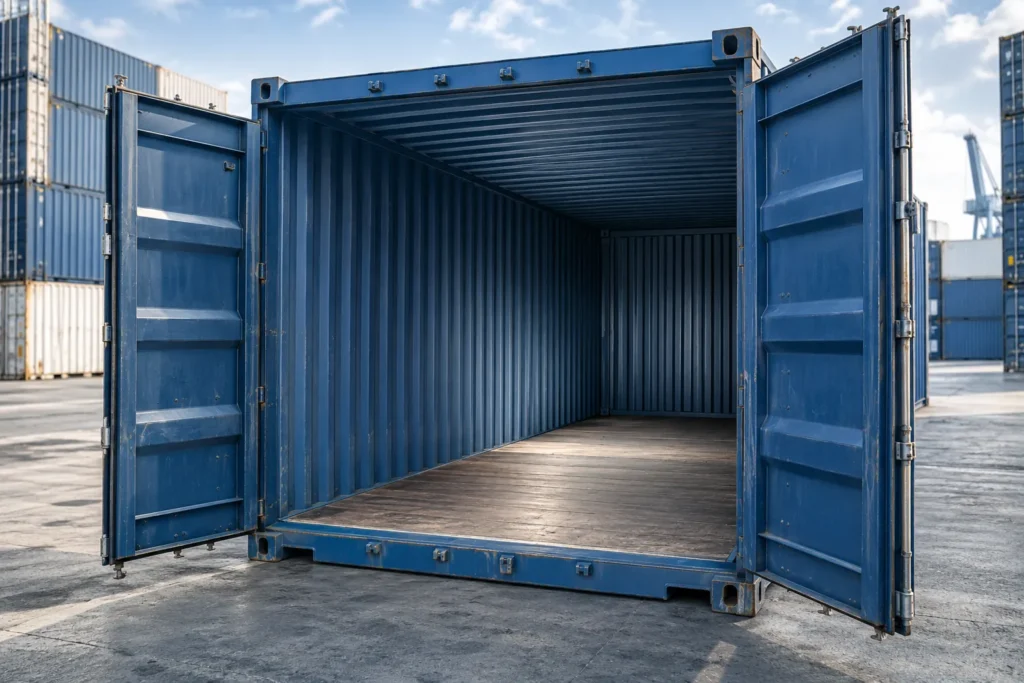
| Quantity | Expected cargo weight, proposed container size (20-foot or 40-foot) and type: general purpose (GP), high cube (HC) or open top (OT). Identify how the final weight will be confirmed. |
| Loading | Loading address, available equipment, proposed loading method, packing arrangements and the party responsible for loading. |
| Commercial scope | Agreed sale terms, cargo-ready date, receiving requirements and who arranges clearance and local transport at each end. |
Describe any residue, contamination or mixed material accurately. If the material or loading plan changes after the initial enquiry, update the brief before the booking is confirmed. Changes may affect carrier acceptance and require additional approvals before packing starts.
Check carrier acceptance before placing a booking and confirming the loading method.
For a containerised scrap shipment, provide the commodity description, HS code and packing type for carrier pre-approval where required. Carrier selection depends on whether the scrap is loose, shredded, baled or otherwise packed, the proposed container type and the loading method. Include how the container will be protected from damage during loading and unloading.
The carrier review must cover the actual combination of cargo and handling arrangements. A proposed GP, HC or OT container is a preference to check, not confirmation that the shipping line accepts scrap in that container. Confirm any required approval before packing starts.
For example, Hapag-Lloyd’s February 2026 bulk-metal-scrap guideline excludes HMS 1/2 and cast iron under its procedure, while listing certain shredded and pressed materials as acceptable subject to its requirements. It requires horizontal loading, grade and handling review, and a signed scrap agreement before accepting a booking. That illustrates why the scrap grade and loading method must be checked together.
Maersk’s HS-code guidance requires a six-digit code in shipping instructions. Its September 2026 waste-and-scrap advisory also asks for confirmation of container contents and distinguishes metal scrap from batteries and electronic items. A correct code supports the declaration; the scrap grade, condition and packing method still need review.
How Sea Logic helps determine the right carrier
- Review the commodity and packing details. Sea Logic starts with the commodity description, HS code, grade or specification, and whether the scrap is loose, shredded, baled or otherwise packed. The enquiry should describe any mixed material or residue as well.
- Check the proposed container and loading method. Provide the expected weight, container size and type, how the yard will load it, and how the receiving party will unload it. Sea Logic can put that proposal to the relevant carriers and clarify acceptance conditions and required pre-approvals.
- Compare suitable carrier options. Compare services that accept the proposed cargo, packing type and handling arrangements. Sea Logic can then review container availability, sailing options, service routing and the complete quoted charges for the agreed movement.
- Confirm approval conditions before booking and packing. Identify the approved commodity, packing type, container and loading method, together with any scrap agreement or supporting information the carrier requires. Changes to the proposal may need another review before packing starts.
- Coordinate the agreed shipment. Sea Logic can coordinate the booking, local transport and shipping instructions within the agreed scope, with customs clearance arranged through licensed brokerage partners.
For an HMS shipment, Sea Logic needs to establish which available carriers accept the specified grade and packing proposal. For shredded or baled scrap, the enquiry must describe that form and the intended container and loading arrangements. Acceptance of one proposal does not automatically cover another.
Confirm the container weight and scrap-loading arrangements
Tell Sea Logic the expected cargo weight and proposed container size and type. A 20-foot or 40-foot container, or a preference for GP, HC or OT, must be checked against both carrier acceptance and the handling plan. Container capacity by volume alone does not establish a suitable option for the scrap.
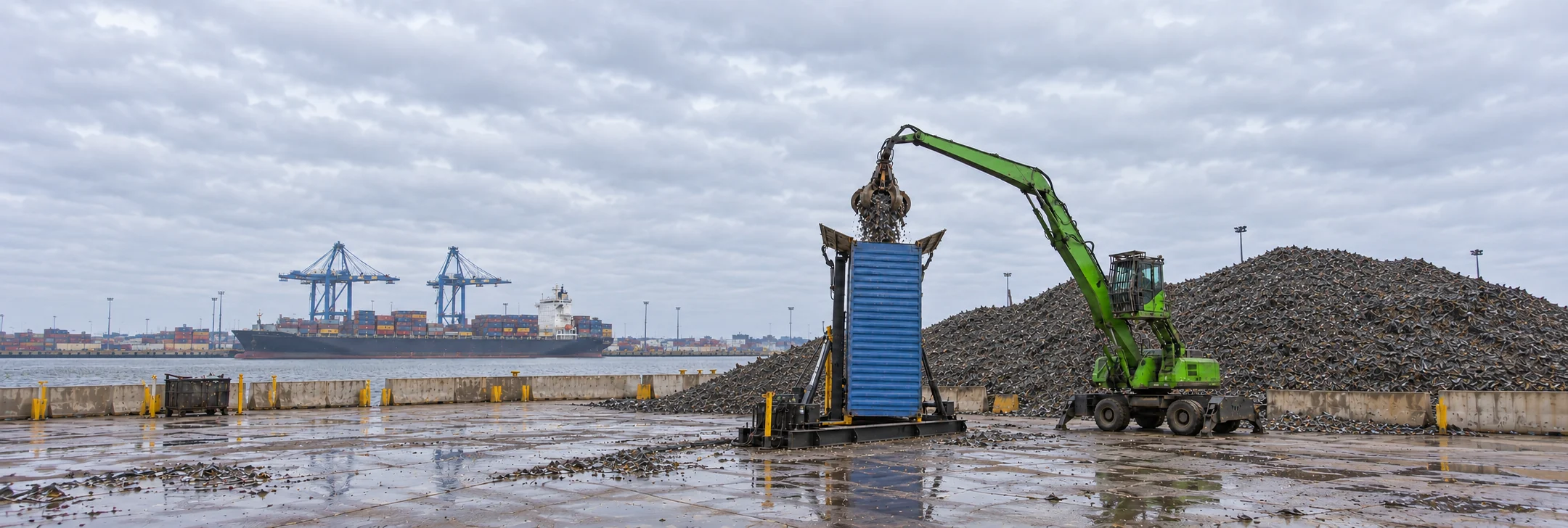
The loading party should explain how the scrap will enter the container, how its weight will be distributed, and what protection or securing arrangements are proposed. Include how the buyer will unload the cargo and protect the container during that process. Sea Logic can help coordinate the review of permitted payload and local transport limits with the carrier and transport parties.
What to send Sea Logic for a scrap-metal freight quote
Use the cargo brief above to provide the commodity description and HS code, grade, packing type, expected weight, proposed container and loading method. Include the cargo-ready date, sale terms and the transport scope you want coordinated. Sea Logic can use that information to seek the required carrier review and compare suitable freight options.
Scrap-metal shipping questions
Which shipping line should I use for HMS?
Sea Logic has contracts with various carriers that explicitly accept loose scrap. Contact us with your enquiry brief, and one of our team members can help you book with a suitable carrier.
Can I reuse a previous scrap-metal booking?
Update the brief if the commodity, HS code, grade, packing type, container or loading method changes. These changes may affect carrier acceptance and require additional approval before packing starts. Sea Logic can review the revised proposal with the carrier.
How do I book a scrap-metal shipment with Sea Logic?
Send Sea Logic your shipment brief with the scrap grade, commodity description and HS code, packing type, weight, route and proposed loading method. We arrange the carrier booking, shipping instructions and agreed transport services, with the cargo and loading proposal checked against the carrier’s acceptance requirements.
Discuss your scrap-metal shipment with Sea Logic
Send Sea Logic your commodity description, HS code, grade, packing type, weight, proposed container and loading method to start the carrier enquiry. Use our shipment brief, explore our sea freight services, or contact Sea Logic to discuss the shipment.