A freight forwarder coordinates a shipment, a carrier undertakes carriage and a third-party logistics provider—usually called a 3PL—provides outsourced logistics activities. Those are useful starting definitions, but real service offerings can overlap.
For an Australian business, the important decision is not which label sounds most comprehensive. It is which functions you need, which provider is responsible for them and what the contract includes.
What does a freight forwarder do?
A freight forwarder helps organise the movement of goods. Depending on the agreed service, this may include discussing routes, arranging bookings, coordinating origin and destination partners, organising documentation and connecting international transport with local delivery.
Some forwarders also undertake contractual carrier responsibilities. Do not assume that every forwarder has the same role or that one point of contact means one company physically performs every leg.
Before booking, ask for the service scope and confirm which documents the provider will issue. Our bill of lading guide explains one important sea freight document.
What does a carrier do?
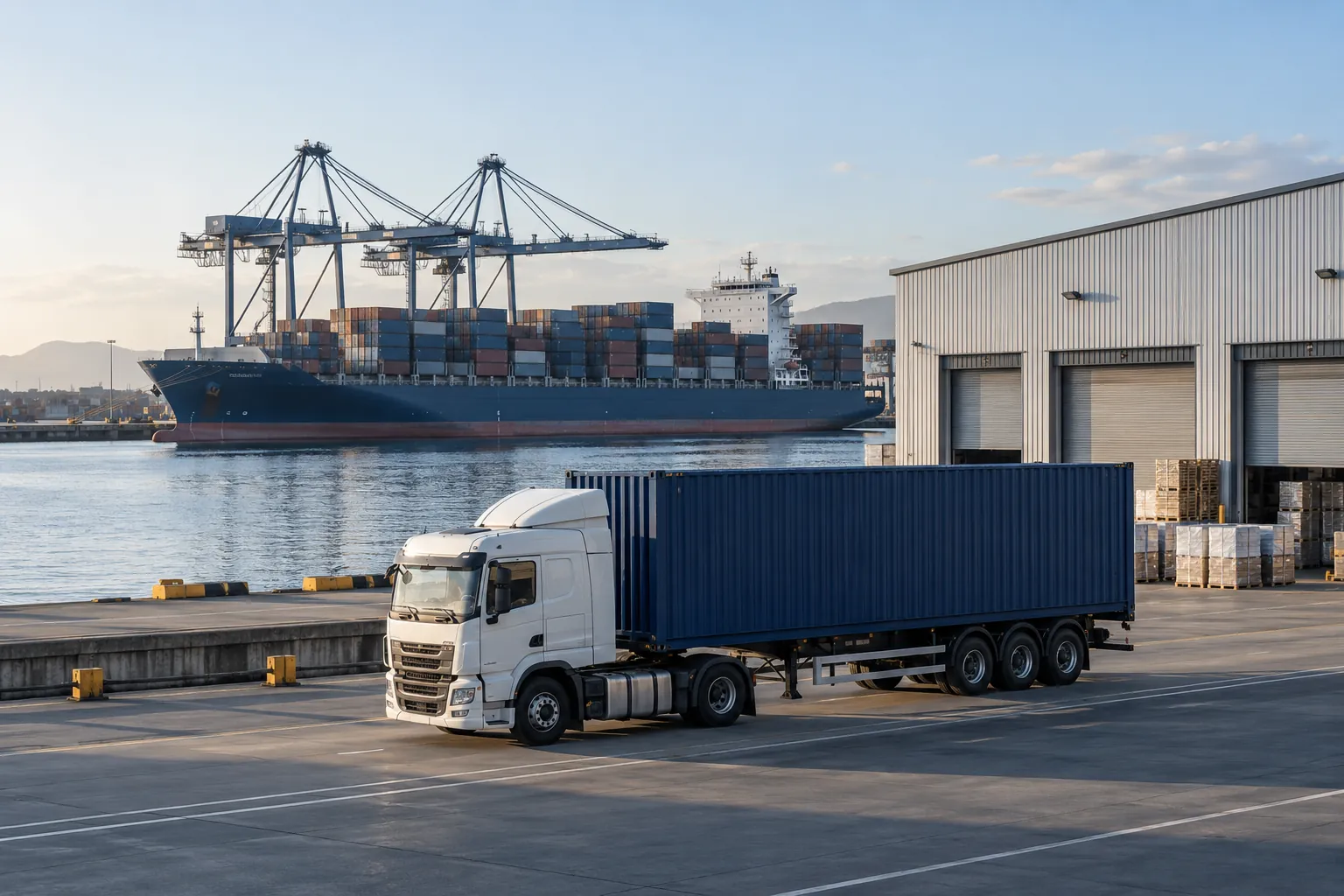
A carrier undertakes the transport of cargo under a carriage arrangement. Familiar examples include shipping lines, airlines and road transport operators. The company you contract with and the operator physically performing a leg are not always the same entity.
A carrier’s service may cover a particular transport leg or a broader movement. Read the quotation and transport terms rather than assuming a port-to-port booking includes collection, clearance or final delivery.
What does a 3PL do?
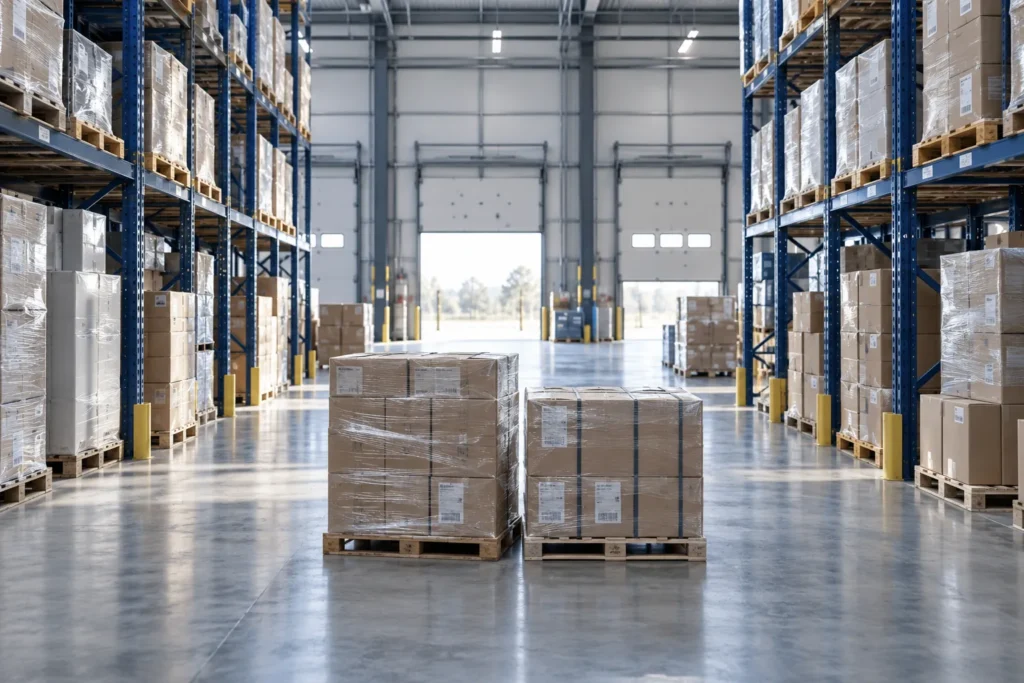
A 3PL provides logistics activities outsourced by another business. Depending on the provider and agreement, these can include warehousing, inventory handling, order fulfilment, distribution or returns.
Some 3PLs also arrange international freight, and some forwarders provide warehousing or distribution services. The term does not guarantee a complete supply-chain service or a particular technology platform.
How the roles can fit together
In a hypothetical import movement, a forwarder might coordinate an overseas collection and sea freight booking; a shipping line carries the container; a separately agreed customs clearance service handles that part of the process; a transport operator moves released cargo to a warehouse; and a 3PL receives stock and fulfils later orders.
The exact arrangement varies. Customs brokerage and cargo insurance should be expressly discussed rather than assumed to come with any of these labels. See our customs brokerage overview for the clearance side of the journey.
Five questions to ask before appointing a provider
- Which collection, international transport, clearance, storage and delivery activities are included?
- Who performs each activity, and who is my contact if something changes?
- Which charges or third-party services remain outside the quote?
- What shipment information and documents must I supply, and by when?
- What are the agreed responsibilities, service limitations and arrangements for handling a problem?
Sea Logic’s freight forwarding services connect Australian requirements with international movements. Tell us where the cargo starts, where it needs to go and which parts you want help coordinating. We can then discuss an appropriate scope for your shipment.
Adapted for the Sea Logic website from our LinkedIn article, Freight Forwarders, Carriers, and 3PLs: Understanding the Core of Global Logistics, originally published 16 October 2025. This website edition adds context and practical guidance; its publication date is shown above.