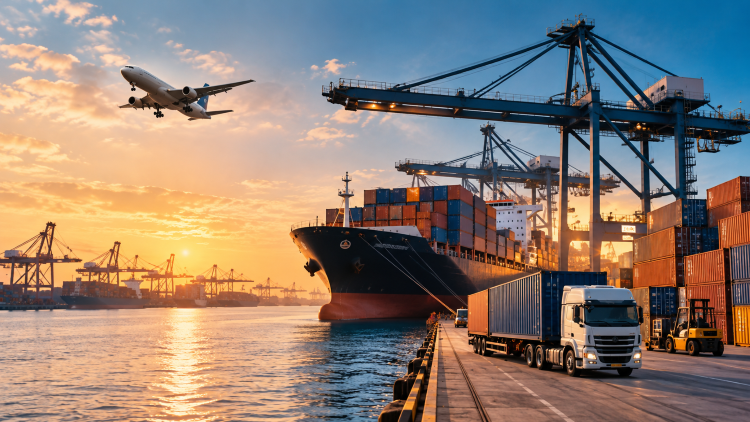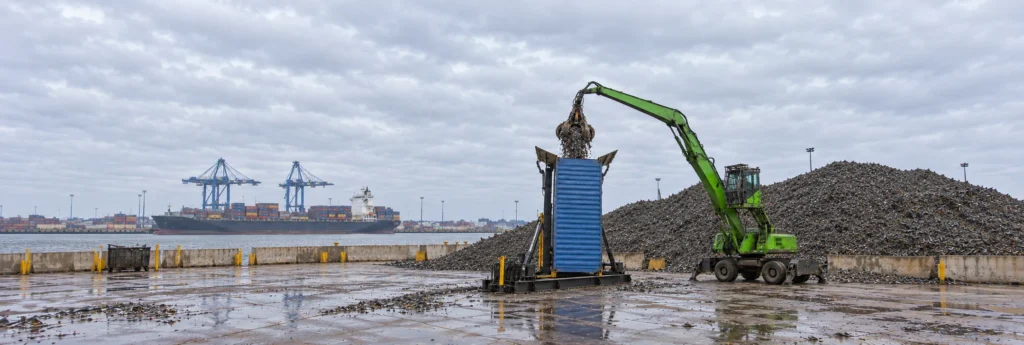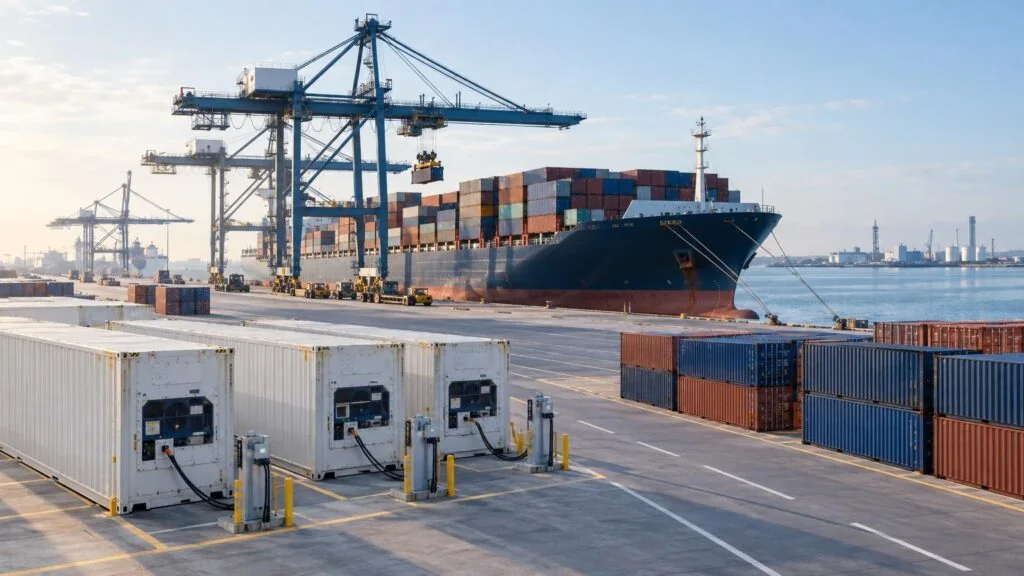

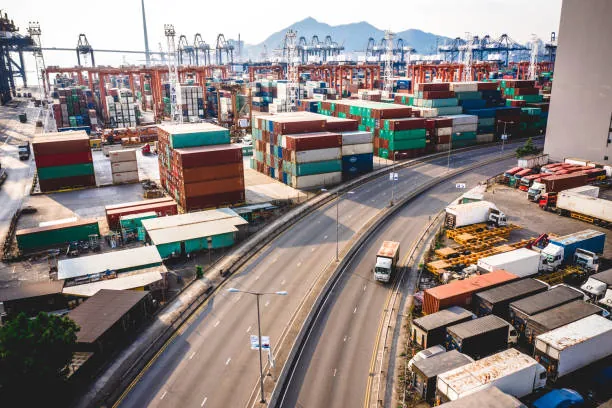
Australia moves roughly 99% of its international trade by sea, and every container passes through a coordinated chain of vessel scheduling, terminal handling, customs clearance, and inland transport. When that chain works, cargo flows on time and on budget. When it breaks, businesses pay in demurrage fees, stockouts, and missed delivery windows.
This guide explains what port logistics involves, why Australia’s port network requires specialist coordination, and how to choose a provider. Sealogic coordinates sea freight services across Australia through the country’s major ports, and the points below reflect what we’ve learned managing cargo for importers and exporters across multiple industries.
What is port logistics?
Port logistics is the coordination of every operation required to move cargo through a seaport, including vessel booking, container handling, customs clearance, and onward transport to the final destination.
In practice, it covers five functions:
- Vessel and berth coordination with shipping lines
- Container loading, unloading, and marshalling at the terminal
- Customs and quarantine clearance, including documentation and tariff classification
- Port-to-door transport by truck or rail
- Real-time tracking and shipment visibility
A weakness in any single function creates cost and delay downstream.
Why does Australia need specialist port logistics providers?
Australia is served by a network of independent ports, each with its own terminal operators, cut-off times, congestion patterns, and inland connections. A provider strong in one port is not automatically strong in another.
The five major container ports are:
- Port of Melbourne, Australia’s largest container terminal by throughput
- Port Botany in Sydney, the primary NSW gateway
- Port of Brisbane, serving Queensland and northern NSW
- Fremantle Port, the main Western Australian container port
- Port Adelaide, serving South Australia
Each port has different labour arrangements, road and rail access, and empty container park locations. A coordinated national provider matters because a single missed cut-off in Melbourne can push cargo to the next vessel window, which then affects distribution timing in Sydney or Brisbane.
Sealogic operates sea freight in Melbourne through the Port of Melbourne container terminals and works as a specialist freight forwarder at Port Melbourne for businesses needing local coordination. On the east coast, our sea freight services in Sydney connect Port Botany with NSW distribution networks. For cargo moving between terminals and inland sites, our port transport across Brisbane, Sydney and Melbourne covers container haulage, sideloader work, and interstate transfers.
What should businesses look for in a port logistics provider?
Look for clear accountability across scheduling, customs clearance and transport. Ask how the provider coordinates with licensed customs brokers, shares shipment updates and manages handovers.
Five practical criteria:
- Coverage that matches your trade lanes. If you import through Melbourne and distribute from Sydney, your provider needs genuine operational capability in both cities, not just a subcontracted partner.
- Coordination with licensed customs brokers. Confirm who reviews documents, handles clearance queries and communicates release status to the transport provider.
- Real-time tracking. You should see container status without emailing for updates. Ask what the tracking interface actually shows.
- Contingency planning. Vessels roll, ports congest, and weather disrupts. Ask how the provider handles rolled bookings and terminal congestion, not whether it happens.
- Single point of accountability. Multi-handoff chains hide problems until they become expensive. One account manager owning the shipment reduces resolution time.
For a broader view on selecting international forwarders, our related guide on international freight companies in Melbourne covers what separates strong providers from weak ones.
How does customs clearance affect port logistics performance?
Customs clearance is the most common cause of container dwell time at Australian ports, and getting documentation, valuation, and tariff classification correct on first submission prevents the cascade of storage fees that follow a hold.
Accurate declarations and timely responses to clearance queries are important parts of the port-side plan. Agree how the appointed licensed customs broker, forwarder and transport provider will exchange information and confirm release before collection.
Quarantine clearance through the Department of Agriculture, Fisheries and Forestry adds another layer for cargo containing timber, food, or biological material. A provider familiar with biosecurity requirements can flag potential issues before the container arrives, not after.
How does port logistics affect landed cost?
Port logistics decisions directly influence landed cost through demurrage charges, storage fees, transport rates, and delivery timing.
Key cost drivers:
- Demurrage begins when a container exceeds free time at the terminal
- Detention fees apply when empty containers are returned late to the depot
- Peak-hour road transport into ports costs more than off-peak slots
- Storage at inland container parks accumulates daily
- Rolled bookings can push arrival timing across weekend windows, adding weekend surcharges
A provider that manages these variables actively, rather than reactively, delivers measurably lower landed cost over a full shipping year.
FAQs
What does a port logistics company do in Australia?
A port logistics company coordinates the movement of cargo through Australian seaports, including booking vessel space, arranging container handling, managing customs clearance, and transporting containers to their final destination.
Which Australian ports handle the most container freight?
The Port of Melbourne handles the largest container volume in Australia, followed by Port Botany in Sydney, the Port of Brisbane, Fremantle Port in Perth, and Port Adelaide.
What is the difference between a freight forwarder and a port logistics provider?
A freight forwarder arranges the end-to-end movement of cargo internationally, while a port logistics provider focuses specifically on operations at the port itself. Many providers, including Sealogic, deliver both under one account.
How can businesses reduce port delays in Australia?
Businesses reduce port delays by working with providers who submit customs documentation accurately on first attempt, book road transport ahead of terminal cut-offs, and monitor vessel schedules for rolled bookings.
Does Sealogic operate at all major Australian ports?
Yes. Sealogic coordinates cargo through Melbourne, Sydney, Brisbane, Fremantle and Adelaide, with dedicated service pages for the Melbourne and Sydney operations.
Conclusion
Reliable port logistics brings scheduling, handling, customs clearance and transport into one coordinated plan. Clear responsibilities, timely information and agreed handovers help businesses understand the next step and respond to changes.
To review your current port logistics setup or discuss a specific trade lane, contact the Sealogic team.