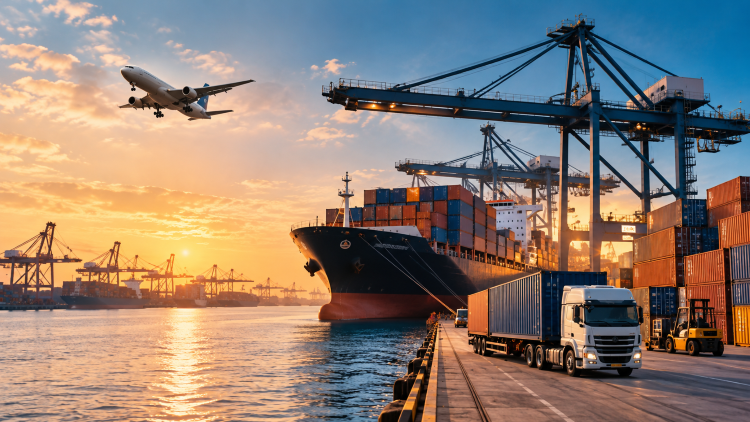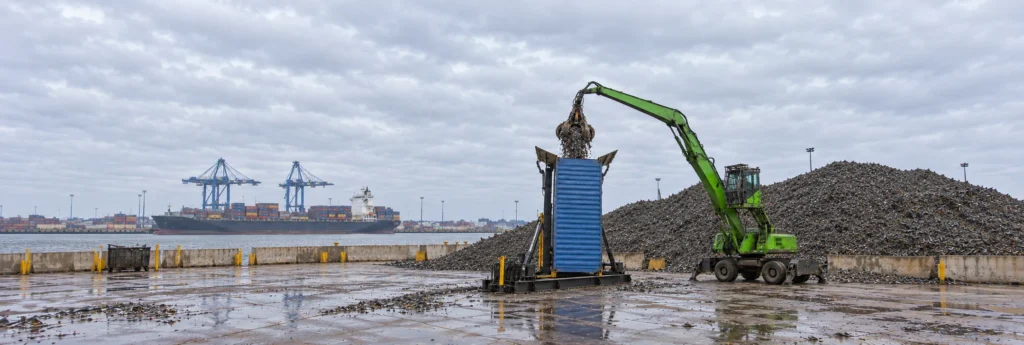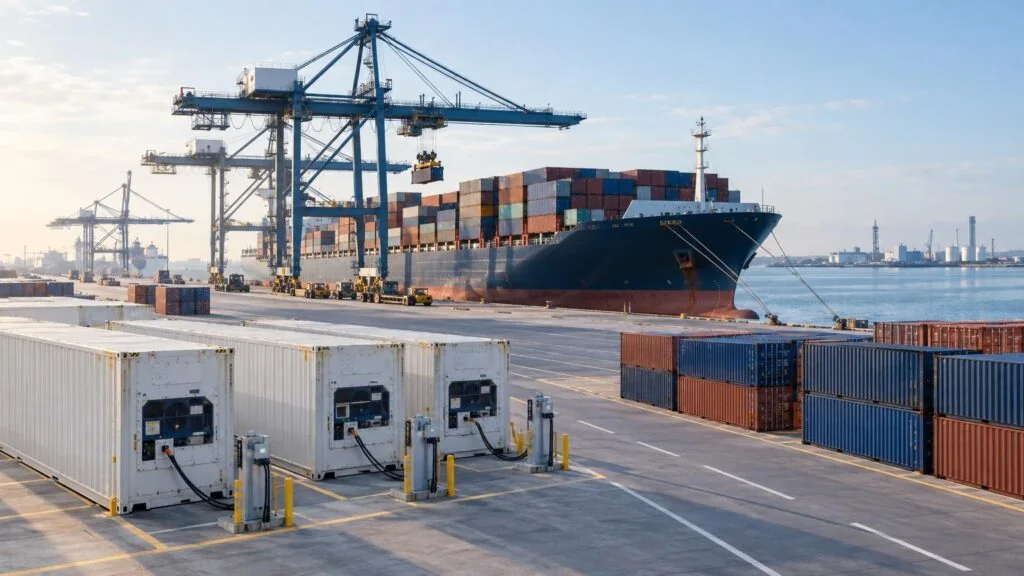

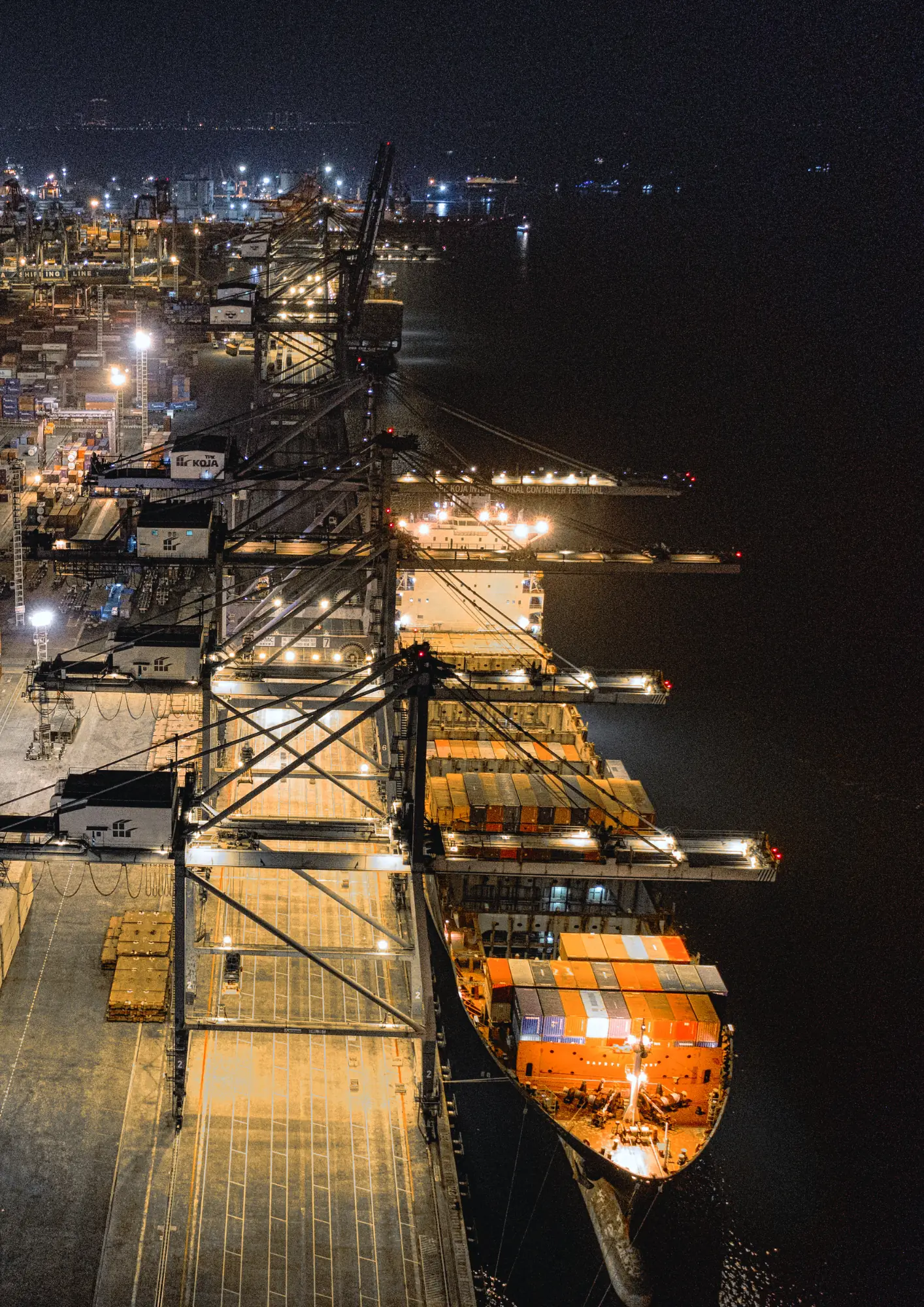
Melbourne isn’t just a port. It’s the largest container gateway in Australia and the natural hub for road distribution across Victoria, into Tasmania via Bass Strait, and interstate to New South Wales, South Australia, and southern Queensland. For businesses moving international cargo through Melbourne, the sea and road legs are inseparable. Get the handoff right and cargo moves cleanly from vessel to warehouse. Get it wrong and demurrage, detention, and missed cut-offs eat the margin.
This guide explains how sea and road logistics work together for Melbourne-based importers and exporters, why the handoff matters, and what businesses should look for when planning multimodal cargo.
What does “sea and road logistics” actually mean?
Sea and road logistics, also known as intermodal or multimodal logistics, is the coordinated movement of cargo using both ocean shipping and road transport under a single planned operation, typically starting with a sea freight arrival at a container port and continuing by truck to the final destination.
In practical terms, it covers:
- Vessel arrival and berth at the Port of Melbourne
- Container discharge and terminal handling
- Customs and biosecurity clearance
- Container release to a licensed transport provider
- Road haulage to the warehouse, distribution centre, or interstate destination
- Empty container return to the nominated depot
Every step has a cost implication and a timing risk. Coordinating them under one operator, rather than passing cargo between separate sea freight and transport companies, removes the handoff gaps where delays and cost usually appear.
Why is Melbourne the natural hub for sea and road logistics in Australia?
Melbourne is the natural sea and road logistics hub because the Port of Melbourne is Australia’s largest container terminal by throughput, sitting at the intersection of the country’s densest road freight network and the Bass Strait shipping route to Tasmania.
Three factors combine:
- Container volume: the Port of Melbourne handles the highest container throughput in the country, which supports the frequency of shipping services and depth of transport capacity around it
- Road network: the Hume, Western, Princes, and Calder freeways connect Melbourne directly to Sydney, Adelaide, regional Victoria, and beyond
- Bass Strait link: cargo destined for Tasmania moves by roll-on roll-off vessels from the Port of Melbourne to Devonport and Burnie
For businesses distributing across the southern and eastern states, positioning inventory in Melbourne after a sea freight arrival often makes more commercial sense than routing through Sydney or Brisbane.
How does the port-to-door handoff actually work?
The port-to-door handoff involves customs and biosecurity release, container collection from the terminal by a licensed transport operator, road haulage to the consignee, unloading, and empty container return to the nominated depot within the shipping line’s free time.
Where the handoff typically goes wrong:
- Terminal cut-off times missed because transport wasn’t booked early enough
- Empty container returns delayed past free time, triggering detention charges
- Peak-hour road slots into the port congested, adding wait time
- Sideloader vs skel trailer mismatched to the delivery site’s unloading capability
- Documentation for customs release not lodged before vessel arrival, delaying container availability
A coordinated operator plans the road leg while the vessel is still on the water, not after the container is available for pickup.
How do Melbourne-based businesses use road transport for interstate distribution?
Melbourne-based businesses use road transport for interstate distribution by consolidating imported cargo at Victorian warehouses and dispatching by truck to Sydney, Adelaide, Canberra, and regional centres, or by combining road with rail for longer lanes to Perth and Brisbane.
Typical interstate lanes from Melbourne:
- Melbourne to Sydney: overnight road transit, high-frequency capacity
- Melbourne to Adelaide: same-day or overnight
- Melbourne to Brisbane: two to three days by road, faster by rail combination
- Melbourne to Perth: rail-preferred due to distance, with road for regional or urgent cargo
- Melbourne to Tasmania: road to Port of Melbourne, then Bass Strait sea link to Devonport or Burnie
Building interstate transit into the original sea freight plan avoids the cost and delay of arranging it after container arrival.
What should you look for in a sea and road logistics provider in Melbourne?
Look for a provider that coordinates sea freight, road transport and licensed customs brokerage partners within an agreed plan, with clear responsibilities for the port-to-door handover.
Practical checks:
- Do they physically handle both modes, or subcontract one and hope the other party responds
- Clear coordination with licensed customs brokers, including how release information reaches the transport provider
- Real-time visibility across the sea and road journey, in one place
- Empty container return handling, so detention fees don’t creep in
- Interstate capability, if your distribution needs go beyond Victoria
Sealogic coordinates sea freight services in Melbourne with an integrated port transport network across Brisbane, Sydney and Melbourne, which means the sea and road legs are managed under one operational team rather than handed off between separate providers. For the national picture on the sea freight side, see our sea freight services across Australia.
What delays affect sea and road logistics in Melbourne most?
The delays that most often disrupt sea and road logistics in Melbourne are port congestion at the Port of Melbourne, terminal cut-off misses, customs and biosecurity holds, empty container return bottlenecks, and road congestion during peak periods.
For a broader view of ocean-side disruption, see our guide on why sea freight shipments get delayed and the causes to plan around. And because customs delays are the single most common cause of container dwell time, our guide on how customs brokerage works in Australia covers what a broker does to keep clearance clean.
FAQs
What is sea and road logistics?
Sea and road logistics is the coordinated movement of cargo using both ocean shipping and road transport under a single planned operation, typically from a container port to the final consignee by truck.
Why is Melbourne a hub for sea and road logistics?
Melbourne is a hub because the Port of Melbourne is Australia’s largest container terminal, and it sits at the centre of the country’s densest road freight network with direct road access to Sydney, Adelaide, regional Victoria, and Bass Strait links to Tasmania.
How is cargo transferred from ship to truck at the Port of Melbourne?
Cargo is discharged from the vessel at the container terminal, moved through customs and biosecurity clearance, then collected by a licensed transport operator using a sideloader, skel trailer, or container lifter for delivery to the consignee.
What is Bass Strait shipping and how does it fit into Melbourne logistics?
Bass Strait shipping is the roll-on roll-off sea link between the Port of Melbourne and Tasmanian ports at Devonport and Burnie, and it’s used to move road-ready trailers and containers between mainland Australia and Tasmania.
Does Sealogic manage road transport as well as sea freight in Melbourne?
Yes. Sealogic manages road transport alongside sea freight from the Port of Melbourne, including container haulage, sideloader work, and interstate distribution across the eastern seaboard.
How can Melbourne businesses avoid detention and demurrage fees?
Businesses avoid detention and demurrage by pre-lodging customs documentation before vessel arrival, booking road transport ahead of terminal cut-offs, and returning empty containers to the nominated depot within the shipping line’s free time.
Conclusion
Sea and road logistics work best when they’re planned as one operation, not two. For Melbourne-based businesses, that means choosing a provider who controls both the container arrival at the Port of Melbourne and the road transport that follows, so cargo moves from vessel to warehouse without gaps in coordination or accountability. To discuss a specific sea and road setup for your business, contact the Sealogic team.